Guangzhou Lvyuan Water Purification Equipment Co., Ltd. is an industrial filter manufacturer founded in 2009 that designs and manufactures stainless steel filter housings, stainless steel sterile water tanks, filter elements, filter bags, ultra-polymer materials, and sintered filter products. Buyers choose Lvyuan for OEM/ODM support, ISO9001 quality control, and multi-country certifications.
Guangzhou Lvyuan Water Purification Equipment Co., Ltd.
Home Water Filters: The Ultimate Guide from Principle to Purchase
Home water filters work through physical screening, carbon adsorption, and membrane separation. Learn how to match water quality, budget, and scenarios.
As the global water pollution problem intensifies (data from the World Health Organization show that 80% of diseases are related to water quality), home water filters have become the “invisible guard” of modern families. This article analyzes the working principle of water filters from a scientific perspective (covering physical interception, adsorption purification and membrane separation technology), combines European and American market cases and authoritative data, and systematically analyzes how to choose equipment based on water quality, budget and usage scenarios.
1. Working principle of water filters: three-stage purification logic
The core of home water filters is to gradually remove pollutants through multi-stage filter collaboration. Its working principle can be summarized into the following three stages:
1.1 Physical interception: initial screening of large particle impurities (first line of defense)
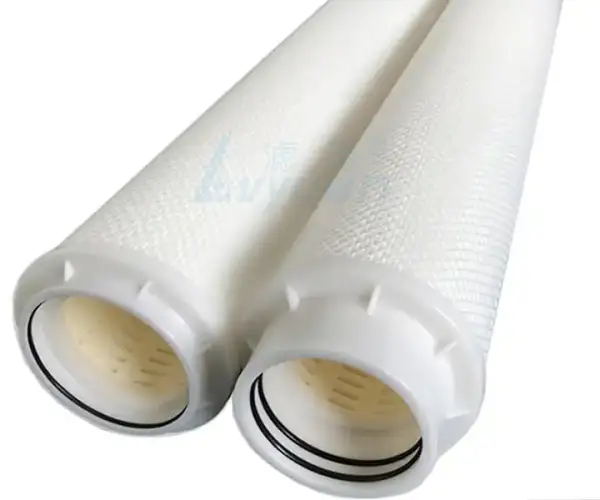
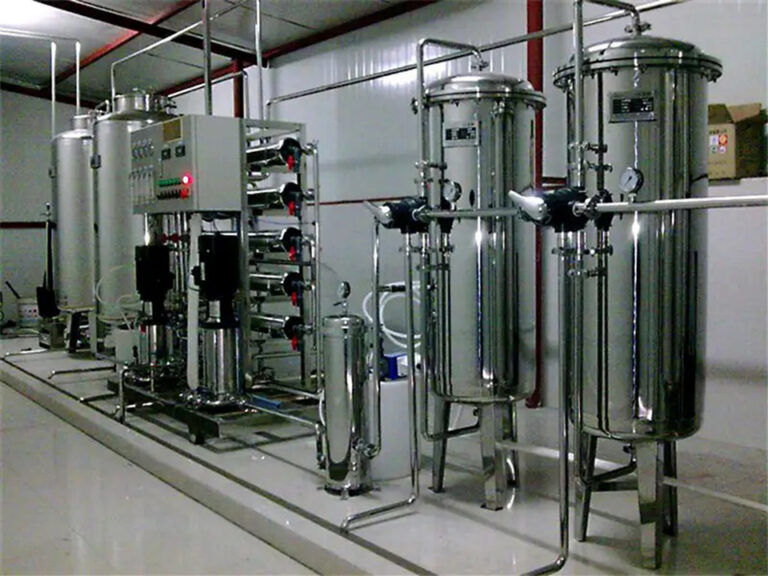
The pre-filter (such as the American iSpring WSP 50-C7) uses a stainless steel filter (40-100 micron accuracy) to intercept impurities such as mud, rust, etc. that are visible to the naked eye (Figure 1).
Case: After installing a pre-filter in an old apartment in Berlin, Germany, the maintenance frequency of the water heater decreased by 60%.
Technology extension: Siphon backwashing technology can increase the filter cleaning efficiency by 4 times and avoid secondary pollution.
1.2 Adsorption purification: the nemesis of chemical pollutants
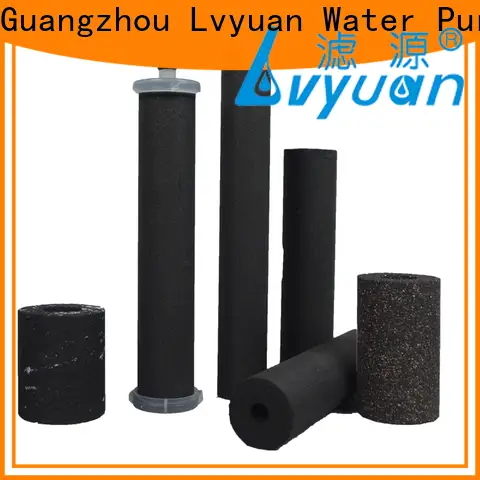
Activated carbon filter element adsorbs residual chlorine, pesticide residues and other organic pollutants through microporous structure (specific surface area of 1000㎡/g):
Data: The U.S. Environmental Protection Agency (EPA) experiment shows that the removal rate of chloroform by activated carbon exceeds 95%.
Innovative application: The honeycomb activated carbon rod developed by Japan’s Toray Corporation has a lifespan twice that of ordinary products.
1.3 Membrane separation technology: precise filtration at the molecular level
Membrane type
Filtration accuracy (micrometers)
Core functions
Applicable scenarios
Ultrafiltration membrane
0.01-0.1
Retain bacteria and viruses
European hard water areas (such as London)
Nanofiltration membrane
0.001
Remove heavy metals and retain minerals
North American households
RO reverse osmosis
0.0001
Salt-free pure water with a filtration rate of 99.99%
Areas with serious groundwater pollution in India
Case: After a family in California used the RO system, the lead content dropped from 15ppb to 1ppb (lower than the EPA limit of 5ppb).
Energy consumption optimization: The water saving rate of RO equipment with EU A++ energy efficiency certification increased by 40%.
2. Purchase strategy: 3 dimensions to build a decision model
Consumers often fall into the misunderstanding of “the more filters, the better”. Scientific purchase logic should be based on the following framework:
2.1 Water quality diagnosis first
Water quality problems
Recommended solutions
Brand reference (US market)
High hardness (serious scale)
Water softener + activated carbon
Culligan WH-S200-C
Heavy metal pollution
RO reverse osmosis system
Aquasana OptimH2O
Excessive bacteria
UV sterilization + ultrafiltration
SteriPEN Ultra
2.2 Balance between filter performance and cost
Economic calculation formula: Average annual cost = (equipment price + annual filter replacement cost) / service life
Filter type
Unit price (US dollars)
Life (months)
Average annual cost (5-year equipment life)
PP cotton
10
3
50
Activated carbon
30
6
70
RO membrane
80
24
53
(Data source: Consumer Reports 2024 water purifier evaluation)
2.3 Certification system and brand endorsement
NSF/ANSI standards: No. 42 (taste), No. 53 (health effect), and No. 58 (RO system) are gold certifications.
Case: Brita’s NSF 42-certified water filter kettles from France occupy 35% of the Western European market share.
3. Global innovation trends and user practices
3.1 Smart Internet of Things (IoT) reconstructs the user experience
The smart filter monitoring system developed by Israel’s Amdocs can predict the remaining life through the APP (error ±3 days).
Google Nest’s cooperative water purifier can automatically adjust the filtration mode and save 15% energy.
3.2 Sustainable design wave
The “self-regenerating filter” developed by the Royal Academy of Art in the UK decomposes pollutants through photocatalysis, extending its life to 10 years.
Canada’s Evolve company launched a 100% recyclable filter, reducing plastic waste by 56%.
Summary
The value of household water filters lies not only in purification efficiency, but also in its deep binding with family health and equipment maintenance costs. Consumers need to break the “technology worship” and establish a three-dimensional decision-making model of “water quality-demand-budget”. With the acceleration of global technological innovation (such as AI water quality prediction and biodegradable filter elements), the future water purification system will be smarter and more environmentally friendly, becoming the ecological entrance to smart homes.