Guangzhou Lvyuan Su Arıtma Equipment Co, Ltd, 2009 yılında kurulan ve paslanmaz çelik filtre muhafazaları, paslanmaz çelik steril su tankları, filtre elemanları, filtre torbaları, ultra polimer malzemeler ve sinterlenmiş filtre ürünleri tasarlayan ve üreten endüstriyel bir filtre üreticisidir. Alıcılar OEM/ODM desteği, ISO9001 kalite kontrolü ve çok ülkeli sertifikalar için Lvyuan'ı seçmektedir.
SWRO Ön Arıtma Hatları Kılavuzu için Torba ve Yüksek Akışlı Kartuşlar
Operatörlerin membran kimyasını, antiskalant dozajını, besleme basıncını, alg mevsimini, tedariki, hatta “kötü deniz suyunu” suçladıklarını gördüm, oysa gerçek suçlu ön arıtma kızağında oturuyordu: bir elektronik tabloda ucuz göründüğü için seçilen bir filtre muhafazası. İşte para tuzdan arındırma tesislerini böyle sessizce terk eder. Dramatik bir kapanma ile değil. Basınç artışı, kısa kartuş ömrü, kirli besleme kanalları, daha fazla CIP olayı ve acil durum değişimlerini normal iş olarak görmeye başlayan bir bakım ekibiyle.
Torba filtreler basit görünür. Yüksek akışlı kartuşlar pahalı görünür. İşte tam da bu yüzden tartışma tembelleşiyor.
Peki hangisi daha iyi?
Hat görevi, partikül yüklemesi, SDI15 hedefi, akış hızı, muhafaza metalurjisi, kartuş geometrisi ve operatör davranışının tümü seçimle uyumlu olmadığı sürece hiçbiri.
İçindekiler
SWRO Ön Arıtma Filtreleri Hakkındaki Acı Gerçek
SWRO ön arıtma filtreleri, romantik broşür anlamında “deniz suyunu temizlemek” için orada değildir; RO membranlarını, yüksek basınç pompalarını, enerji geri kazanım cihazlarını ve aşağı akış hidrolik stabilitesini korumak için ızgaralar, çözünmüş hava flotasyonu, ortam filtrasyonu, ultrafiltrasyon veya diğer ön arıtma aşamalarından sonra yerleştirilen son bariyer cihazlarıdır.
Bu çok açık.
Öyle değil.
Sahada torba filtreler genellikle ucuz sigorta, kartuş filtreler ise premium sigorta gibi değerlendirilir. Daha iyi çerçeveleme daha serttir: torba filtreler kaba hizmet tipi kir kovalarıdır; yüksek akışlı kartuşlar ise tasarlanmış risk kontrol cihazlarıdır. Yanlış olanı kullanırsanız para tasarrufu yapmazsınız. Kirlenmeyi finanse edersiniz.
SWRO ön arıtması için olağan hedefler tanıdıktır: Membran tedarikçisinin toleransına bağlı olarak 3 ila 5“in altında SDI15, yukarı akış ön arıtmasından sonra genellikle 0,2-1,0 NTU'nun altında bulanıklık ve genellikle 1-10 µm nominal veya mutlak aralıkta son güvenlik filtrasyonu. Spesifik sayı eğilimden daha az önemlidir. Öngörülebilir diferansiyel basınca sahip istikrarlı bir 5 µm kartuş sistemi, her gelgit değişiminde körleşen ”kağıt üzerinde daha iyi" 1 µm kurulumdan genellikle daha güvenlidir.
Ve evet, bazı alıcıların bunu duymaktan nefret ettiğini biliyorum.
Torba Filtreler: Ucuz, Bağışlayıcı ve Sıklıkla Aşırı Kullanılan
Torba filtreler, tesisin daha büyük askıda katı maddeler için feda edilebilir, düşük maliyetli bir bariyere ihtiyacı olduğunda işe yarar. Çirkin suyu birçok ince kartuştan daha iyi tolere ederler. Denetlenmeleri kolaydır. Operatörler onları hızlı bir şekilde anlar. Küçük bir tuzdan arındırma hattında, pilot tesiste, konteynerli SWRO paketinde veya değişken döküntü yüküne sahip girişte, bir torba muhafazası makul bir ilk koruma olabilir.
Ama.
Torba filtre hassas bir alet değildir. Endüstriyel su işlerinde kullanılan torba filtrelerin çoğu nominal derecelidir ve nominal, “bunun mutlak partikül kontrolü olduğunu iddia etmeyin” anlamına gelir. SWRO membran garantiniz, SDI trendiniz veya ERS korumanız tutarlı ince partikül yakalamaya bağlıysa, tek başına bir torba filtre genellikle zayıf bir cevaptır.
Torbanın yukarıdan iyi göründüğü torba yuvaları açtım, ancak conta halkasını ve destek sepetini kontrol ettiğimizde bypass açıkça görülüyordu. Operatör aylarca torba değiştirmişti. Membranlar hala kirlenmişti. Neden? Çünkü filtre görünen çöpü yakalıyor ve pahalı sorunun geçmesine izin veriyordu.
Bu sorunun bir adı var: yanlış güven.
Torba filtreler, özellikle kaba askıda katı maddeler, biyolojik parçalar, kabuk ince taneleri, pas tortusu veya bakım kalıntılarının zaman zaman ön arıtma hattına çarptığı durumlarda, daha ince filtrasyon aşamalarından önce iyi uyum sağlayabilir. Sıvı tarafı polimer filtrasyon referansları için, bir tedarikçinin sıvı için sinterlenmiş PE polietilen filtre sayfası yararlı bir bağlamdır, ancak SWRO deniz suyu hizmeti genel sıvı filtrasyonundan çok daha zorlu uyumluluk ve doğrulama gerektirir.
Yüksek Akışlı Kartuşlar: Daha İyi Kontrol, Daha Yüksek Disiplin
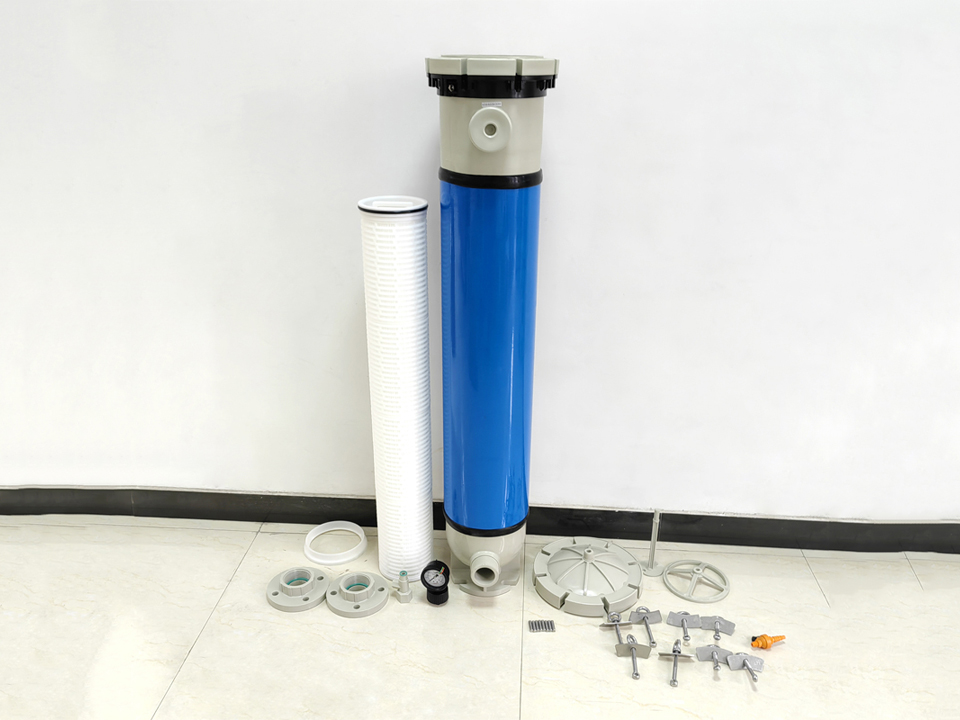
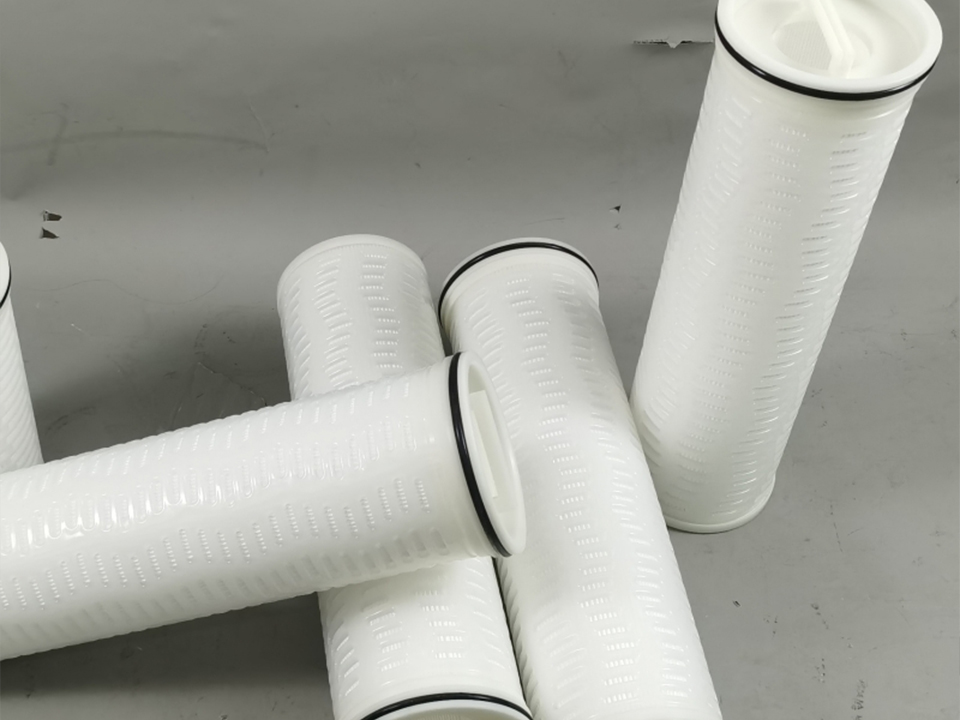
Yüksek akışlı kartuş filtreler, geleneksel torba düzeneğinin sağlayabileceğinden daha fazla yüzey alanına, daha iyi kir tutma kapasitesine, daha düşük gövde sayısına ve daha tutarlı partikül tutmaya ihtiyaç duyan tesisler için üretilmiştir. SWRO ön arıtmasında, genellikle ortam filtreleri, UF veya PMMF sistemlerinden sonra son güvenlik filtreleri olarak kullanılırlar.
İşte dürüst versiyon: yüksek akışlı kartuşlar kötü yukarı akış tasarımını cezalandırır.
Koagülasyon dengesizse, geri yıkama zayıfsa, alg patlaması yüklemesi göz ardı ediliyorsa, ferrik taşıma artıyorsa, klorlama-deklorlama özensizse, yüksek debili bir kartuş sihirli bir şekilde tesisi düzeltmeyecektir. Sadece daha hızlı körleşecek ve çok pahalı bir bakım ritmi üretecektir.
Yine de, yukarı akış ön arıtması kontrol altında olduğunda, yüksek akışlı kartuşlar genellikle operasyonel ciddiyet konusunda kazanır. 40 inç veya 60 inç yüksek akışlı bir eleman birden fazla standart kartuşun yerini alabilir, işçilik süresini kısaltabilir, sızdırmazlık hatasını azaltabilir ve daha öngörülebilir bir fark basınç eğrisi sağlayabilir. Tuzdan arındırma ön arıtma filtrasyonunda bu önemlidir çünkü operatörlerin sürprizlere değil sinyallere ihtiyacı vardır.
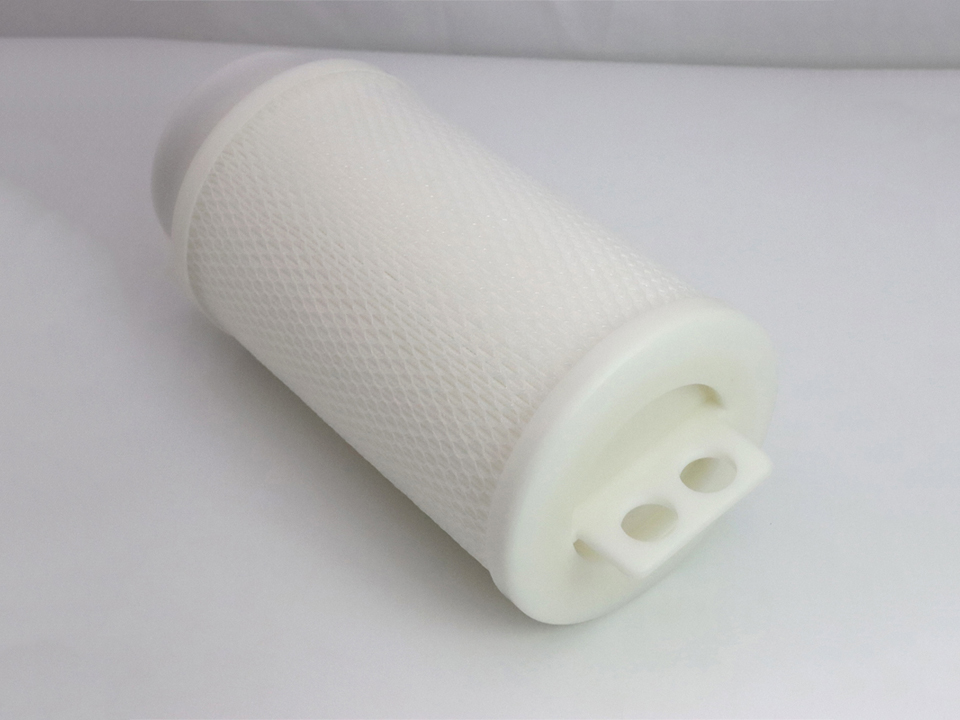
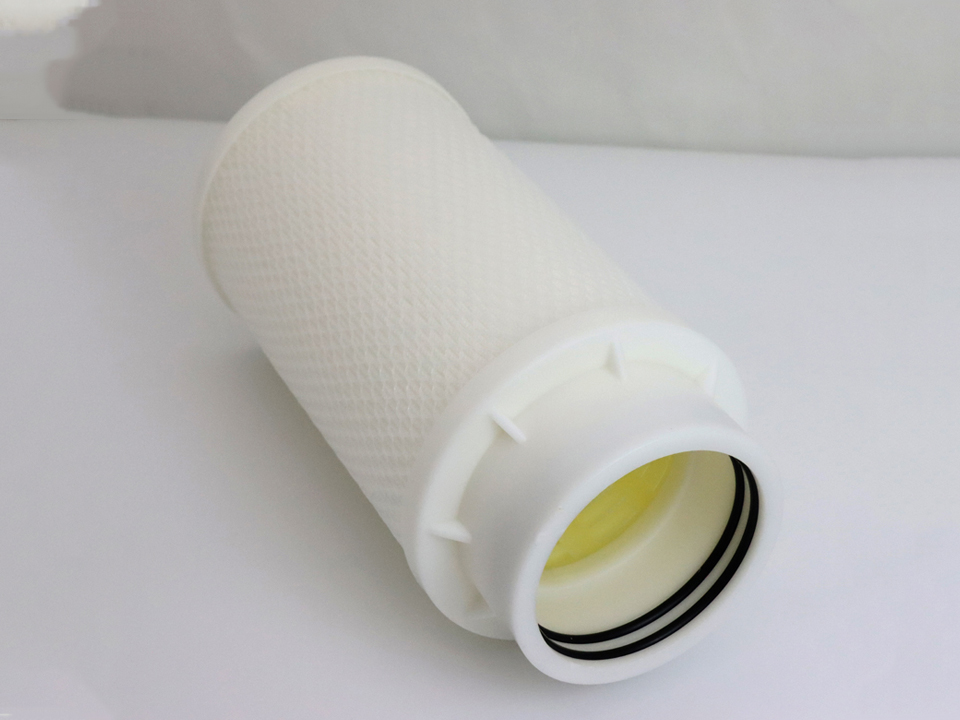
OEM filtre geometrisi, özel uzunluk, uç kapak stili ve gözenekli ortam düşüncesi için OEM her boyutta sinterlenmiş plastik filtreler kaynak bir üretim referansı olarak önemlidir. Yine de genel bir gözenekli plastik tasarımını SWRO hizmetine kopyalayıp yapıştırmazdım. Deniz suyu nazik değildir. Klorür, biyofilm, basınç döngüsü ve temizlik kimyasalları tembel özellikleri hızla ortaya çıkarır.
Torba Filtreler vs Kartuş Filtreler: Aslında Önemli Olan Karşılaştırma
Tembel karşılaştırma satın alma fiyatıdır.
Gerçek karşılaştırma toplam arıza maliyetidir.
Bir torba, değişim başına daha az maliyetli olabilir. Yüksek akışlı bir kartuş, eleman başına daha pahalıya mal olabilir. Ancak torba sistemi ince kolloidlerin geçmesine izin veriyorsa, SDI15“i artırıyorsa, membran temizleme aralıklarını kısaltıyorsa veya ERS hassasiyeti sorunlarına neden oluyorsa, ”ucuz" seçenek bir muhasebe hilesine dönüşür.
Membran korumasına ihtiyaç duyan stabil SWRO hatları
Besleme çirkinse her ikisini de kademeli görevde kullanın
Küçük bir hata. Büyük fatura.
Bu, kimsenin satış broşürlerine koymaktan hoşlanmadığı bitki gerçeğidir.
SWRO Ön Arıtımında Torba Filtrelerin Anlamlı Olduğu Yerler
Torba filtreler, beslemenin aralıklı kaba yüklemeye sahip olduğu ve tesisin aşağı akış yönünde gerçek bir parlatma aşamasına sahip olduğu durumlarda anlamlıdır. Geçici devreye alma koruması, bakımdan sonra hatların yıkanması, giriş üzüntüsü yakalama veya risk profilinin mütevazı olduğu ve kartuş değiştirme lojistiğinin zor olduğu küçük SWRO sistemlerini düşünün.
Görsel teyide ihtiyaç duyduğunuzda da anlamlıdırlar. Bir torbanın çekilmesi ve kabuk kumu, biyolojik balçık, pas pulları veya ortam taşınması görülmesi bakım ekibine hızlı bir şekilde bir şeyler anlatır. Veri iyidir. Kirli kumaş da bir veridir.
Ancak torba filtreler, hedef stabil membran koruması olduğunda SWRO ön arıtması için en iyi filtreler olarak satılmamalıdır. Bu iddia çok geniş kapsamlıdır. Deniz suyu ters osmoz ön arıtmasında, özellikle de sürekli kentsel veya endüstriyel tuzdan arındırma için, son filtrasyon sıkıcı, tekrarlanabilir ve ölçülebilir olmalıdır.
Sıkıcı kazanır.
Yüksek Akışlı Kartuşların Torbaları Yendiği Yer
Yüksek akışlı kartuş filtreler, RO membran hattının tutarlı bir nihai korumaya ihtiyaç duyduğu, kapladığı alanın önemli olduğu, akışın yüksek olduğu ve bakım ekiplerinin daha az sızdırmazlık noktasına ihtiyaç duyduğu durumlarda daha iyi bir seçimdir. Ayrıca tesis diferansiyel basıncı ciddi şekilde takip ettiğinde ve panik yerine trend mantığına dayalı olarak elemanları değiştirdiğinde de daha iyidirler.
İyi bir yüksek akışlı kartuş kurulumu size operasyonel kaldıraç sağlar. Giriş ve çıkış basıncını izleyebilir, DP artışını bulanıklık ve SDI15 ile karşılaştırabilir, ortam filtrelerinin ince toz sızdırıp sızdırmadığını kontrol edebilir ve membranlar şikayet etmeden önce yukarı akış proses sapmasını yakalayabilirsiniz.
Bu nedenle ciddi SWRO hatları genellikle mikronik kartuşları dekoratif aksesuarlar olarak değil, güvenlik filtreleri olarak ele almaktadır. İncelediğim Bonaire SWRO vakasında, basınçlı çoklu ortam filtrelerinin ardından SWRO ünitelerinden önce mikronik filtrelerin kullanıldığı ve mikronik filtrelerin RO membranlarına, yüksek basınç pompalarına ve enerji geri kazanım cihazlarına zarar verebilecek kirlenme maddelerine karşı koruma görevi gördüğü anlatılıyordu. Drama yok. Sadece doğru sıralama.
Daha küçük mühendislik montajlarında, bu ders tuzdan arındırma dışında da geçerlidir. A vakum besleme PE filtre elemanı aynı tasarım ilkesini başka bir ölçekte göstermektedir: ortam seçimi, akış yolu ve partikül yüklemesi işe uygun olmalıdır, aksi takdirde filtre koruma yerine bir kısıtlama haline gelir.
Alıcıların Genellikle Gözden Kaçırdığı Spesifikasyon Detayları
En büyük hatalar felsefi değildir. Sıkıcı kalemlerdir.
Mikron derecesi. Nominal veya mutlak. Eleman başına akış. Maksimum temiz basınç düşüşü. Terminal diferansiyel basıncı. Gövde tasarım basıncı. Elastomer uyumluluğu. Uç kapak sızdırmazlığı. Çekirdek mukavemeti. Çökme derecesi. Klorüre dayanıklı metalurji. Temizliğe maruz kalma. Atma hacmi. Değiştirme erişimi. Mevsimsel talep sırasında kullanılabilirlik.
Satın alma ekiplerinin istemeden de olsa zarar verdiği yer burasıdır.
Daha az kıvrıma, daha düşük yüzey alanına, daha zayıf desteğe veya belirsiz mikron diline sahip olduğu için daha ucuz görünen bir filtre karşılaştırılabilir değildir. Sadece daha ucuzdur. Ve SWRO ön arıtma hatlarındaki ucuz filtreler, maliyeti membranlara, pompalara ve operatörlere taşıma alışkanlığına sahiptir.
Gözenekli filtre üretimi bağlamı için, OEM gözenekli plastik kendinden sızdırmaz filtreler conta davranışı ve özel geometri hakkında düşünürken gözden geçirmeye değerdir. Ancak yine de, SWRO ön işleminin deniz suyuna özgü mühendislik kararına ihtiyacı vardır. Havada veya hafif sıvı görevinde iyi bir sızdırmazlık, agresif klorür hizmetinde otomatik olarak hayatta kalmaz.
Gerçekten Güvendiğim Pratik Bir Seçim Kuralı
İş kaba koruma, geçici koruma veya kirli üzgün yakalama olduğunda torba filtreleri kullanın.
İş nihai RO koruması olduğunda yüksek akışlı kartuş filtreler kullanın.
Tesiste dengesiz giriş koşulları, mevsimsel algler, inşaat kalıntıları veya ortam taşıma riski görüldüğünde her ikisini de kullanın. Torbayı kurbanlık kaba koruma olarak yukarıya koyun, ardından yüksek akışlı kartuşun ciddi parlatma işini yapmasına izin verin. Bu aşamalı mantık genellikle “torba vs kartuş” şeklindeki dini tartışmayı yener.”
Seçim yapmadan önce sorduğum soru şu: Hangi başarısızlığı önlemeye çalışıyorum?
Cevap “aşağı akış ekipmanına zarar veren büyük döküntüler” ise, bir torba yeterli olabilir. Cevap “SDI'yi yükselten ve membran ömrünü kısaltan ince partikül kirlenmesi” ise, yüksek akışlı kartuş filtrasyonu da konuşmaya dahil edilmelidir. Cevap her ikisi de ise, ikisini de kademelendirin.
Basit mi? Evet, basit. Görmezden gelindi mi? Sürekli olarak.
Filtre fiyatı, satın alma işleminin gördüğü fiyattır.
Filtre maliyeti, operasyonların yaşadığı şeydir.
Bir torba filtre sistemi, hafif hizmet tipi endüstriyel satın alımlarda torba başına $5-$30 fiyatıyla cazip görünebilir. Yüksek akışlı kartuşlar uzunluğa, medyaya, uç konfigürasyonuna, mikron değerine ve markaya bağlı olarak çok daha yüksek fiyatlara satılabilir. Ancak SWRO'da, kötü bir ön arıtma kararı membran temizliği, kimyasal tüketimi, duruş süresi, işçilik ve kayıp permeat miktarını hızla binlere çıkarabilir.
İşte bu noktada fikirlerim değişiyor: SWRO ön arıtma filtreleriniz yalnızca birim fiyata göre seçiliyorsa, tesis zaten yetersiz yönetiliyor demektir.
Daha iyi bir hesaplama şunları içerir:
Maliyet Kalemi
Neden Önemli?
Element fiyatı
Sadece görünür maliyet
Değişim sıklığı
İşçilik ve arıza süresi hızla artar
Basınç düşüşü
Daha yüksek DP pompalama yükünü artırabilir
SDI15 trendi
Membran kirlenmesi için erken uyarı
Membran CIP sıklığı
Kimyasallar, duruş süreleri ve üretim kaybı
Atık işleme
Kullanılmış torbalar ve kartuşlar bertaraf hacmini artırır
Konut sayısı
Daha fazla muhafaza, daha fazla conta, valf ve hata anlamına gelir
Envanter riski
Uzun uçlu kartuşlar üretim darboğazlarına neden olabilir
Ve evet, bazen pahalı filtre yine de kötü bir satın almadır. Yukarı akış ön arıtması kaotikse, birinci sınıf yüksek akışlı bir kartuş sadece birinci sınıf bir çöp toplayıcıya dönüşür.
Benim Önerdiğim SWRO Ön Arıtma Filtre Stratejisi
Küçük SWRO paketleri için, yalnızca giriş nispeten stabilse ve membran tedarikçisinin besleme suyu gereksinimleri gerçek SDI15 testinden sonra hala karşılanıyorsa bir torba filtre ile başlayın. Broşür SDI değil. Gerçek kaydedilmiş SDI.
Orta ve büyük SWRO ön arıtma hatları için, özellikle PMMF, çift-medya filtrasyonu, UF veya DAF-medya kombinasyonlarından sonra, son güvenlik filtreleri olarak yüksek akışlı kartuş filtreleri tercih ediyorum. Torbaları yalnızca kaba yüklemenin onları haklı çıkardığı durumlarda kullanın.
Alg çiçeklenme bölgeleri, liman girişleri, sıcak tropikal besleme suyu veya mevsimsel organiklerin bulunduğu sahalar gibi ağır deniz suyu koşulları için son filtreden tüm sorunu çözmesini istemeyin. Pıhtılaşmayı düzeltin. Geri yıkamayı düzeltin. Biyo-kontrolü düzeltin. Giriş süzgecini düzeltin. Ardından kartuşu belirleyin.
Filtre bir rahip değildir. Akıntıya karşı her günahı affedemez.
SSS
SWRO ön arıtması için torba filtreler mi yoksa yüksek akışlı kartuş filtreler mi daha iyidir?
Yüksek akışlı kartuş filtreler genellikle nihai SWRO ön arıtma filtreleri olarak daha iyidir, çünkü daha tutarlı partikül tutma, daha güçlü SDI kontrolü ve çoğu torba filtreden daha iyi membran koruması sağlarken, torba filtreler kaba döküntü yakalama, üzgün koruma veya daha ince kartuş filtrasyonundan önce aşamalı kullanım için daha uygundur.
Basit bir dille, kartuşlar tesis ciddi olduğunda membranları daha iyi korur. Torbalar, risk düşük olduğunda veya uygun bir son filtrenin akış yukarısında bulunduklarında bütçeleri daha iyi korur.
Torba filtreler RO membranlarından önce kullanılabilir mi?
Torba filtreler, su kalitesi hedefi mütevazı olduğunda, yukarı akış ön arıtması stabil olduğunda ve torba, membran basınçlı kaplarından önce tek ince partikül koruması yerine kaba veya ara bariyer olarak hareket ettiğinde RO membranlarından önce kullanılabilir.
Besleme verileri işe yaradığını kanıtlamadıkça, yüksek değerli bir SWRO hattında tek son bariyer olarak torba filtre kullanmazdım. O zaman bile SDI15 ve diferansiyel basıncı şüpheli bir muhasebeci gibi izlerdim.
SWRO filtre kartuşları için en iyi mikron derecesi hangisidir?
SWRO filtre kartuşları için en iyi mikron derecesi, mevcut en küçük derecenin seçilmesinden ziyade membran tedarikçisi gereklilikleri, yukarı akış ön arıtma performansı, SDI15 sonuçları, bulanıklık eğilimleri ve kartuş ömrüne bağlı olarak genellikle 1 ila 10 µm arasında seçilir.
Çok ince olması çabuk kör edebilir. Çok kaba olması ise sorunu aşağıya aktarabilir. Doğru cevap bir katalog tablosunda değil, işletim verilerinde bulunur.
SWRO ön arıtması için torba filtre veya kartuş filtre arasında nasıl seçim yapabilirim?
Ana risk kaba döküntü ve düşük maliyetli kurban filtreleme olduğunda bir torba filtre seçin; ana risk ince partikül kirlenmesi, SDI kararsızlığı, membran koruması, azaltılmış muhafaza sayısı ve öngörülebilir basınç düşüşü davranışı olduğunda yüksek akışlı bir kartuş filtre seçin.
Akıllı versiyon genellikle sahnelenir: önce torba, sonra kartuş. Bu düzenleme göz alıcı değildir, ancak tuzdan arındırma tesislerine göz alıcılık için ödeme yapılmaz. Onlara çalışma süresi için ödeme yapılır.
Yüksek akışlı kartuşlar daha yüksek fiyata değer mi?
Yüksek akışlı kartuşlar, değişim işçiliğini azalttıklarında, diferansiyel basıncı stabilize ettiklerinde, RO membranlarını koruduklarında, kirlenme riskini azalttıklarında ve orta akışlı veya yüksek akışlı SWRO ön arıtma sistemlerinde torba filtrelerden daha güvenilir bir son bariyer sağladıklarında daha yüksek fiyata değerdir.
Yukarı akış ön işlemi bozulduğunda buna değmezler. Bu durumda kartuş, daha büyük bir proses arızasının pahalı bir tanığı haline gelir.
Son Söz: Filtreleri Sarf Malzemesi Gibi Satın Almayı Bırakın
SWRO ön arıtma filtreleri kağıt üzerinde sarf malzemeleridir.
Operasyonda, risk kontrol cihazlarıdır.
Torba filtreler ile kartuş filtreler arasında seçim yapıyorsanız, fiyat teklifi ile başlamayın. Arıza modu ile başlayın. SDI15 ile başlayın. Basınç düşüşü geçmişi ile başlayın. Kötü hava koşullarında ve alg dönemlerinde giriş davranışıyla başlayın. Ardından kaba bir korumaya mı, son bir güvenlik filtresine mi yoksa her ikisine birden mi ihtiyacınız olduğuna karar verin.