Guangzhou Lvyuan Su Arıtma Equipment Co, Ltd, 2009 yılında kurulan ve paslanmaz çelik filtre muhafazaları, paslanmaz çelik steril su tankları, filtre elemanları, filtre torbaları, ultra polimer malzemeler ve sinterlenmiş filtre ürünleri tasarlayan ve üreten endüstriyel bir filtre üreticisidir. Alıcılar OEM/ODM desteği, ISO9001 kalite kontrolü ve çok ülkeli sertifikalar için Lvyuan'ı seçmektedir.
Lvyuan melt blown filter cartridges are disposable depth-filter elements used to capture suspended solids, rust, sand, silt, scale, and other particulate contamination from water and compatible process liquids. Polypropylene microfiber constructions are widely used for industrial water treatment, process filtration, RO prefiltration, and general sediment removal.
Kapsamlı Çözüm
Why Use Lvyuan Melt Blown Filter Cartridge for Depth Filtration?
Lvyuan melt blown cartridge is commonly selected when the process requires disposable depth filtration with useful dirt-holding capacity and straightforward replacement. Rather than loading only at the surface, the porous fiber matrix allows particulate to be retained within the filter wall.
Depending on the cartridge design, density or pore structure may change through the media. A more open outer region can capture larger particles while finer contamination is retained deeper in the cartridge. The exact filtration efficiency, rigidity and contaminant capacity remain product-specific.
1. Depth Filtration
Captures particulate through the porous media structure rather than relying only on surface loading.
2. Prefilter Role
Suitable designs can be engineered for process liquids, gases and equipment-integrated filtration duties.
3. Disposable Format
Supports routine cartridge replacement where solids loading makes cleanable media less practical.
Melt Blown Sediment Filter Cartridge Range
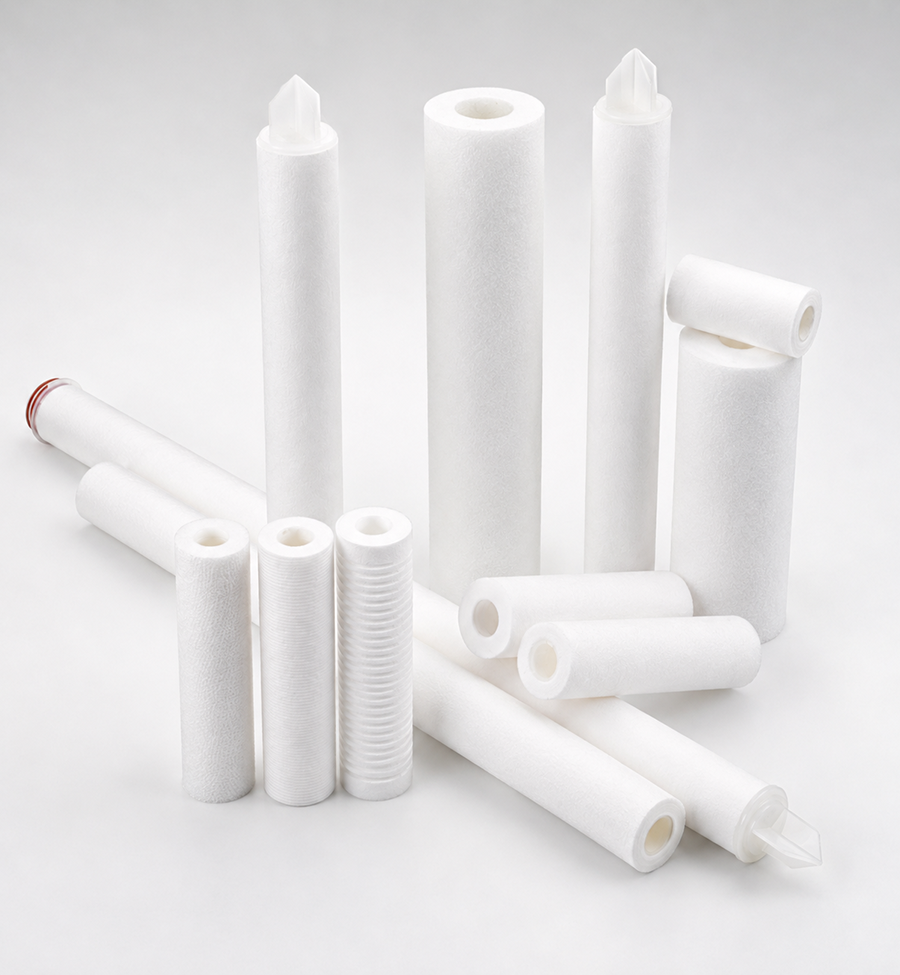
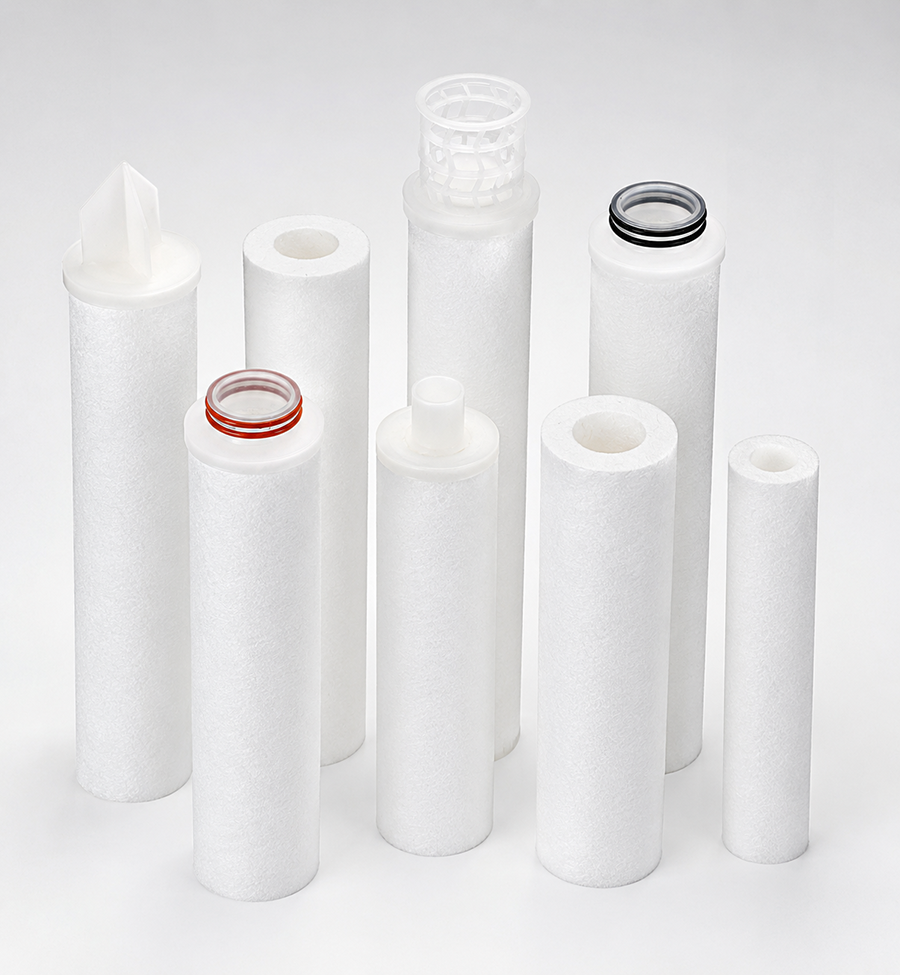
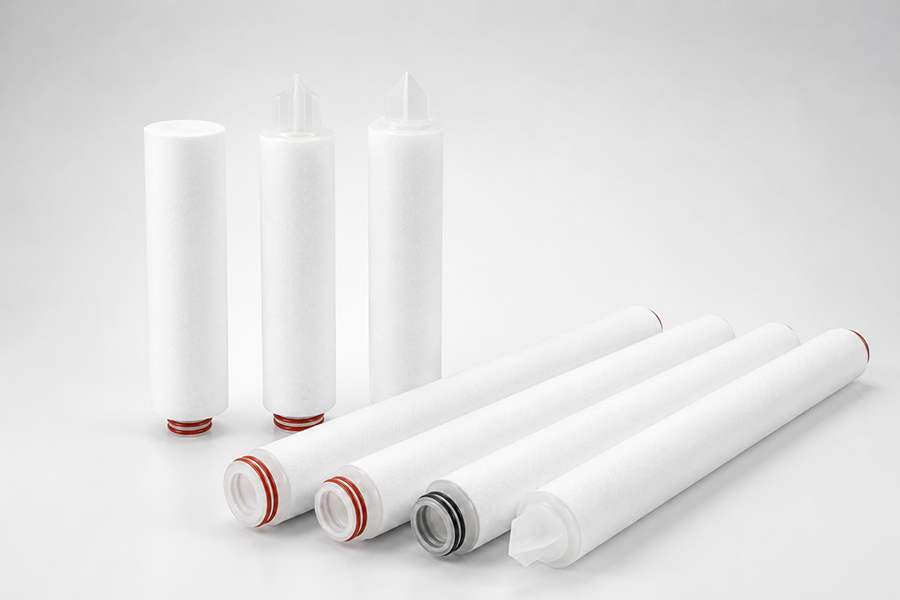
Different melt blown sediment filter cartridges can be supplied or specified for different liquid-filtration duties. Buyers can select according to micron rating, cartridge length, outside diameter, housing fit, and surface configuration such as smooth or grooved sediment designs where available. Standard or customized dimensions may also be considered when matching an existing housing, replacing another cartridge series, or developing an OEM filtration assembly.
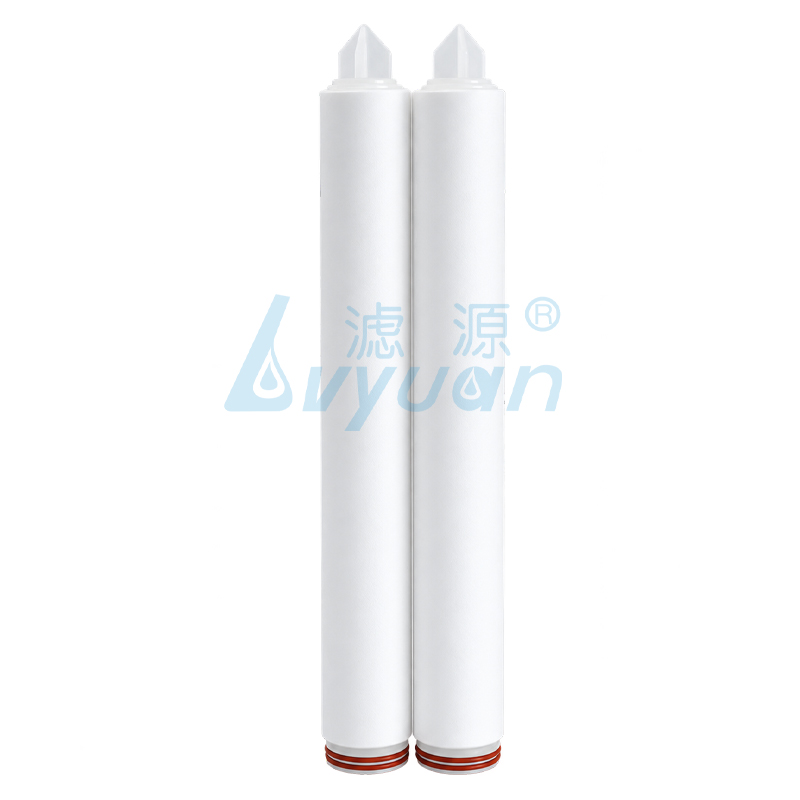
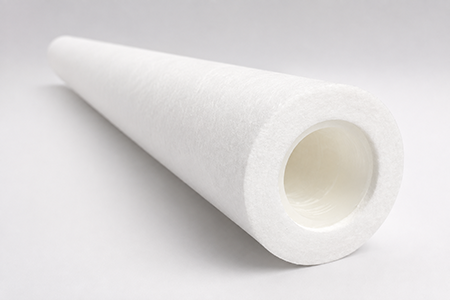
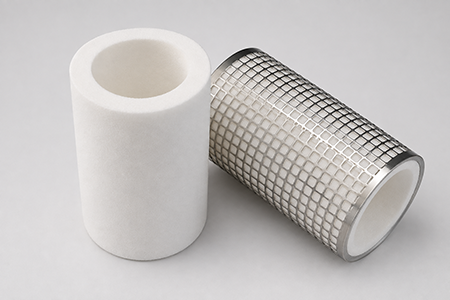
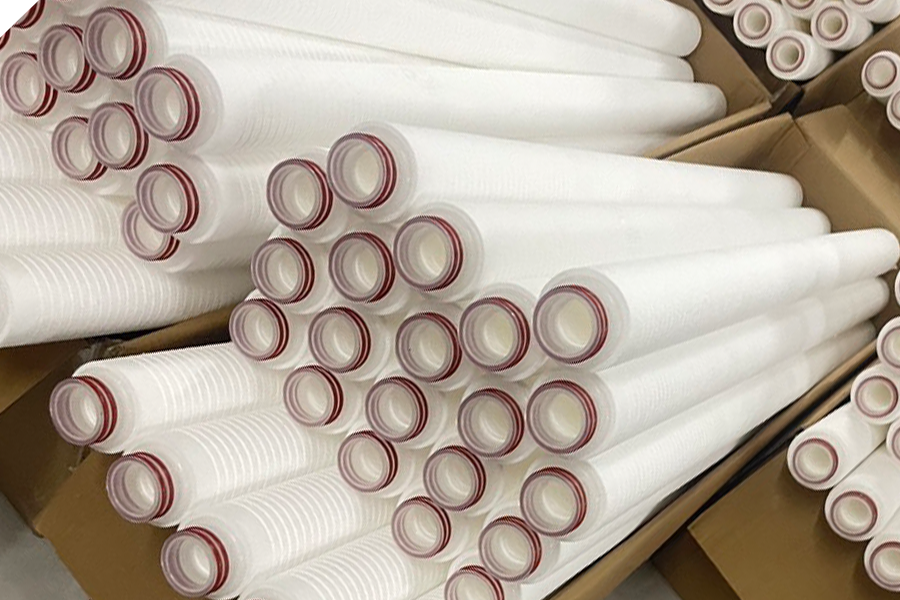
100% polypropylene depth media, 0.5–150 µm options, 2.5″/4.5″ OD, DOE/SOE ends, 3.5 bar, 82°C; traps rust, sand and silt for RO, water and industrial prefiltration.
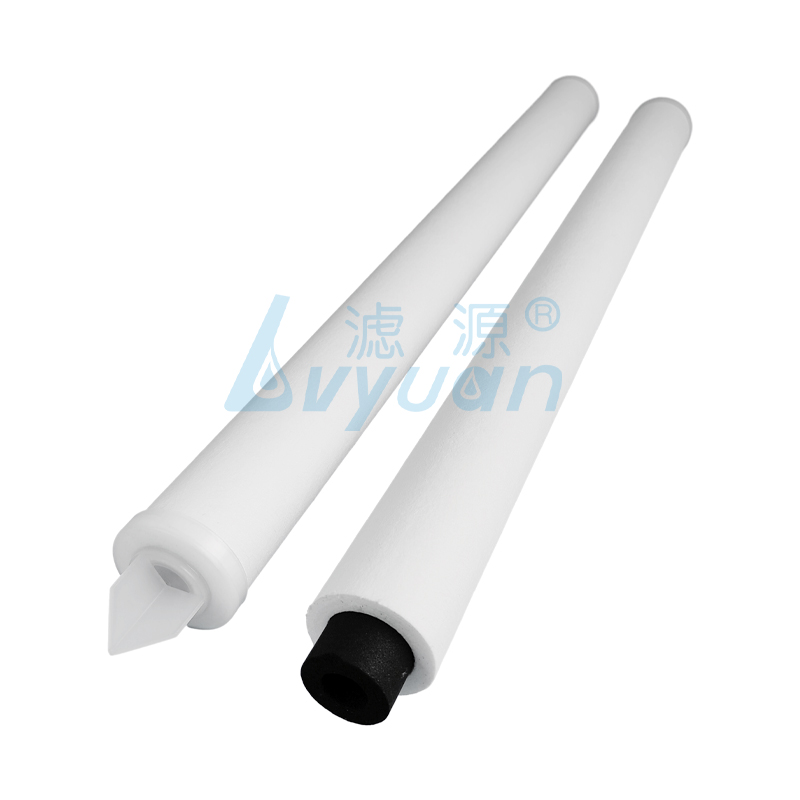
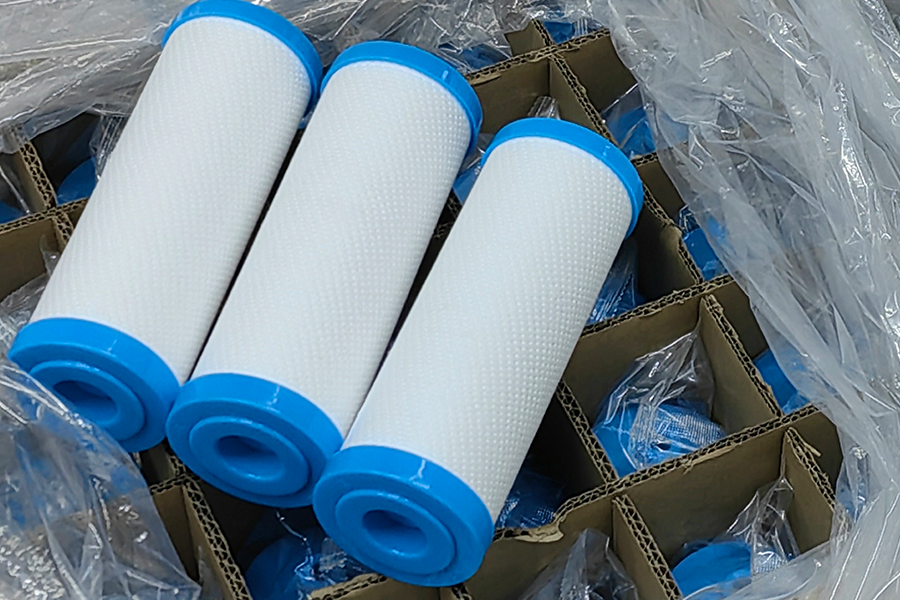
PP depth media and activated carbon, 5 µm, 2.5″ OD, DOE/SOE ends; removes sediment, chlorine, odor and organics for RO, potable water, beverage and process use.
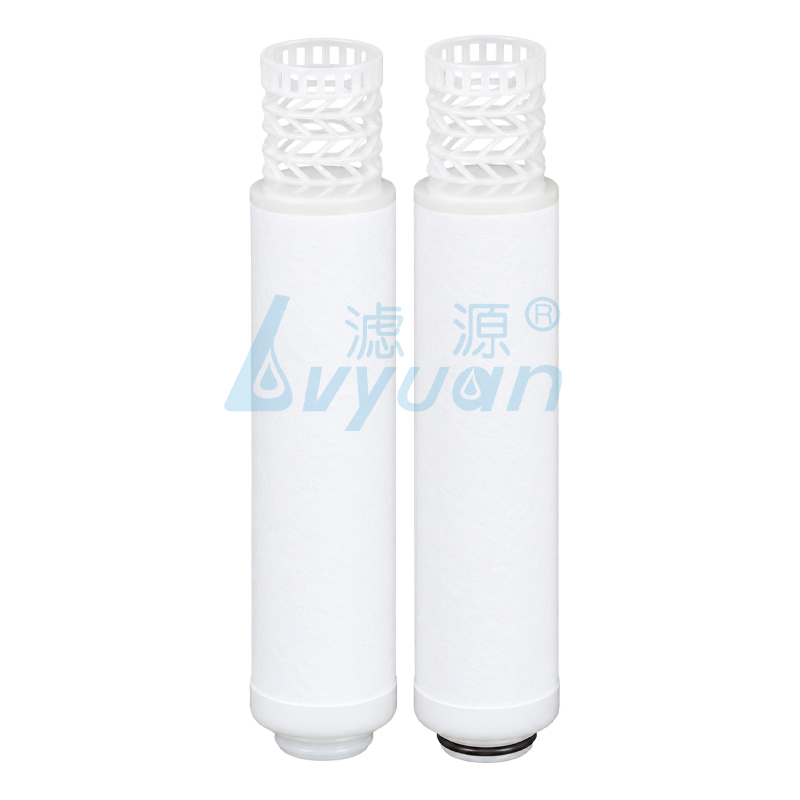
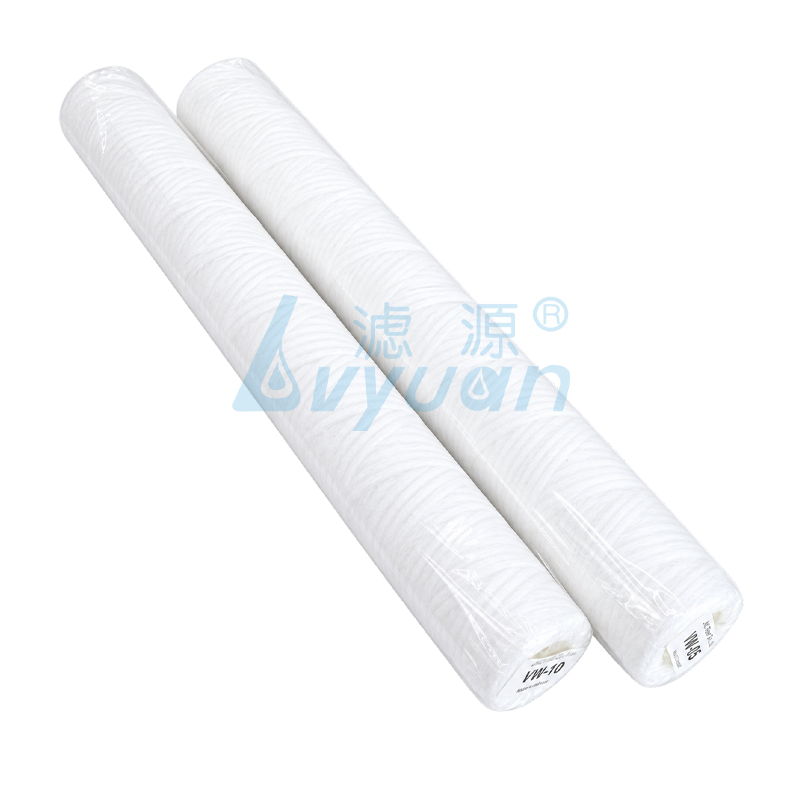
PP, cotton or glass-fiber yarn wound on a core, 0.5–150 µm ratings, 2.5″/4.5″ OD, 10″–40″ lengths; depth filtration removes sand, rust and silt from water and process liquids.
OEM Melt Blown Polypropylene Cartridges, Customization and Packaging
Procurement teams, distributors and OEM customers may require more than a standard catalogue cartridge. Available customization should always be confirmed with the manufacturer before design approval.
1. Dimensions & Fit
Different lengths, OD / ID options, core arrangements and end configurations may be available for matching an existing housing.
2. Media & Surface
Micron grade, smooth or grooved surface, and other series-specific constructions can be evaluated according to filtration requirements.
3. Packaging & Labeling
Bulk packing, individually shrink wrapped cartridges, private labeling or OEM packaging can be discussed where supported.
Selection note: For replacement projects, provide the existing cartridge model, drawing, dimensional sketch or sample. Mechanical fit and actual filtration performance should be evaluated before changing suppliers or cartridge construction.
How to Select the Right Melt Blown Filter Cartridge
Start with the liquid rather than the cartridge catalogue. Water, plating solutions, process chemicals, oils, and other fluids place different demands on polypropylene media, seals, and housing components.
Define the contamination
Establish the filtration objective
Confirm dimensions
Check hydraulic conditions
Sıcaklık
Kimyasal Uyumluluk
Process Role
Finally, consider whether the cartridge functions as prefiltration or as the last particulate-control stage. A cost-effective sediment cartridge can protect more expensive downstream filters when staged correctly.
Melt Blown Cartridge Specifications and Available Configurations
The specification of a pp melt blown filter should be based on the actual cartridge series and the process into which it will be installed.
Check Before Replacement
Typical Selection Basis
Available according to series and filtration requirement
Malzeme
Polypropylene or other material according to cartridge series
Filter media
Filtre ortamı
Melt-blown microfiber depth media
Mikron derecesi
Available according to series and filtration requirement
Filtration classification
Commonly nominal; verify the manufacturer’s stated retention method
Uzunluk
Selected to match the installed housing
OD
Standard or customized according to cartridge and housing design
İç çap
Confirm against housing support or core dimensions
End configuration
DOE, SOE, adapter, or other construction where available
Yüzey
Smooth, grooved, or series-specific configuration
Çekirdek
Coreless or supported-core construction depending on series
Seal / gasket
Series-dependent where an end seal is required
Çalışma sıcaklığı
Confirm from the specific manufacturer datasheet
Diferansiyel basınç
Establish according to cartridge construction and operating temperature
Kimyasal uyumluluk
Bulk, individual, private-label, or other options where available
Paketleme
Flow, pressure, temperature, chemistry, and required efficiency must match the replacement design.
Which Micron Rating Should You Choose?
The correct micron rating depends on the particles that must be removed and the cleanliness required downstream. A coarse grade is generally considered when the liquid contains larger suspended solids or when the cartridge acts as an early prefiltration stage. Finer micron ratings may be selected where smaller particulate must be controlled before sensitive equipment or subsequent filtration.
A nominal rating should not automatically be interpreted as an absolute particle-removal threshold. Nominal performance is linked to the test method and filtration efficiency defined for the particular product. Buyers comparing cartridges should therefore ask how the rating was established instead of comparing the printed micron number alone.
For example, a 50 micron cartridge may be useful for relatively coarse sediment removal in one process but far too open for another. The selection should consider particle-size distribution, contaminant loading, allowable pressure drop, required flow rate, and the requirements of downstream membranes or equipment.
Where several filtration stages are used, progressively finer grades may distribute dirt through the system more effectively and reduce unnecessary loading on the final stage.
How Does Melt Blown Polypropylene Depth Filtration Work?
In a typical polypropylene meltblown process, fine polymer fibers are formed and consolidated into a porous filter structure. Some melt blown polypropylene cartridges use thermally bonded microfibers, allowing the media to maintain its structure without the binders or adhesives used in certain other filter constructions. Eaton, for example, documents thermally bonded polypropylene microfiber cartridges and specific series manufactured without binders or adhesives.
The resulting matrix creates many flow paths through the filter wall. In a gradient structure, the outer layer may be more open while progressively finer regions are positioned toward the inside. Larger particulate can therefore be trapped earlier in the depth of the media, while smaller particles travel farther before retention. This distribution can contribute to high dirt-holding capacity compared with a design that loads primarily on one surface.
Not every meltblown filter cartridge has the same gradient, fiber diameter, rigidity, nominal rating, or contaminant capacity. These characteristics are determined by how the manufacturer constructs the cartridge. Buyers comparing series melt blown cartridges should therefore review the actual performance data rather than assuming that all cartridges made from polypropylene perform identically.
Applications for Melt Blown Sediment Filters
Melt blown sediment filters are widely associated with particulate control in water and industrial process streams. Typical applications can include industrial water treatment, process water clarification, cooling-water filtration, RO membrane prefiltration, wastewater pretreatment or polishing, and removal of sediment from water.
Depending on the actual cartridge grade and chemical compatibility, a polypropylene filter may also be evaluated for electroplating liquids, selected chemical-processing streams, electronics manufacturing water, and other general process liquids. Parker documentation, for example, identifies melt-blown polypropylene depth cartridges for applications including RO and membrane prefiltration, plating solutions, DI water, industrial coatings, and chemical-processing fluids.
Food, beverage, pharmaceutical, drinking water, and other regulated applications require additional review. A material being polypropylene does not automatically certify the finished cartridge for these uses. Buyers requiring FDA-, CFR-, food-contact-, or drinking-water-related documentation should confirm the exact product grade, materials of construction, extractables requirements, and supporting certification before ordering.
Polypropylene Material and Chemical Compatibility
Polypropylene is widely used for liquid filter cartridges because it combines low density, relatively low weight, useful chemical resistance, and the ability to be formed into a thermally bonded microfiber structure. All-polypropylene cartridges can also reduce the number of dissimilar wetted materials that must be evaluated for a process.
Some manufacturers produce pure polypropylene or high-purity constructions without a separate binder, surfactant, or adhesive. That can be valuable where process purity and the possibility of materials that may leach into the filtrate are important. These properties, however, should be verified for the selected product rather than assumed for every melt-blown sediment filter. Pall and Eaton both document specific all-polypropylene depth cartridges with controlled additive or binder construction.
Polypropylene should not be described as chemically resistant to every fluid. Chemical compatibility varies with chemical concentration, operating temperature, contact time, mechanical stress, pressure, and the other materials in the cartridge and housing. For an aggressive chemical service, provide the full process conditions for compatibility review before selection.
What Information Should Buyers Provide for a Quotation?
A detailed RFQ helps the supplier identify a technically suitable cartridge and reduces unnecessary exchanges during sourcing. When requesting a quotation for melt blown filter cartridges, provide as much of the following information as possible:
Filtration application and process stage
Liquid or chemical being filtered
Chemical concentration, where relevant
Çalışma sıcaklığı
Required system flow rate
Target micron rating
Expected solids or dirt loading, if known
Existing cartridge length
Dış ve iç çap
Core or coreless requirement
End configuration
Smooth or grooved surface preference
Existing housing type and cartridge quantity
Current cartridge model, drawing, or sample for replacement projects
Estimated order quantity
Packaging, labeling, or private-label requirements
Regulatory or material documentation required by the project
For a new filtration project, the application conditions are usually more valuable than supplying only a cartridge size. They allow the manufacturer to review filtration grade, housing fit, polypropylene suitability, and whether the product should be used as a prefilter or another stage in the process.
For replacement requirements, provide the current cartridge specification or drawing whenever possible. Request technical specifications, cartridge selection assistance, sample evaluation, OEM review, or a quotation based on your operating conditions and required dimensions.