Guangzhou Lvyuan Su Arıtma Equipment Co, Ltd, 2009 yılında kurulan ve paslanmaz çelik filtre muhafazaları, paslanmaz çelik steril su tankları, filtre elemanları, filtre torbaları, ultra polimer malzemeler ve sinterlenmiş filtre ürünleri tasarlayan ve üreten endüstriyel bir filtre üreticisidir. Alıcılar OEM/ODM desteği, ISO9001 kalite kontrolü ve çok ülkeli sertifikalar için Lvyuan'ı seçmektedir.
Kimyasal İşleme Hatları Kılavuzu için 316L vs Kaplamalı 304 Muhafazalar
Pek çok emlak tartışması yanlış başlar.
Gerçek soru “316L mi yoksa katmanlı 304 mü?” değildir. Asıl soru şudur: Bir anahtar kayması, bir kostik yıkama, bir klorür yükselmesi, gecenin 2:00'sinde aceleyle yapılan bir kartuş değişiminden sonra ne olur? Kimyasal kullanımda, göremediğiniz hasarlar bütçe planınızı kemiren hasarlardır.
Kaplamalar sessizce çalışmayı durdurur. Kaplanmış 304 paslanmaz çelik bir muhafaza broşürde sadık görünebilir, fabrika kabulünden geçebilir ve film bir kelepçe altında çizildiğinde, dişli bir bağlantı noktasında kesildiğinde veya solvent sürünmesi ile yükseldiğinde yine de gizli bir bozulma hücresi haline gelebilir. Neden herhangi bir kişi bunu yüzeyine göre değerlendirsin ki?
Başlangıçta popüler olmayan kısmı iddia edeceğim: kaplamalı 304, aslında kılık değiştirmiş bir bakım sözleşmesi olduğunda genellikle bir bozulma çaresi olarak satılır. 316L paslanmaz çelik gövde sihirli değildir. Yanlış klorür-sıcaklık-stres karışımı altında çukurlaşacak, kırılacak, lekelenecek ve sizi küçük düşürecektir. Yine de daha dikkatli, daha affedici ve daha az “cilanın sağlam olduğuna inanıyorduk” gerekçeleriyle başarısız olur.
İçindekiler
Bu Kontrast Neden Yanlış Satılıyor?
Paslanmaz çelik filtre muhafazası sadece bir kap değildir. Bu bir kontrol kararıdır.
OSHA'nın kendi proses güvenliği tavsiyesi, kimyasal fırlatmadan kaçınmayı sadece bir ürün siparişi değil, proses tarzı, araçlar, tedaviler, bakım, acil durum hazırlığı ve eğitimi içeren bir sistem sorunu olarak çerçeveler. Bu, gayrimenkulün basınç, kimyasala doğrudan maruz kalma, kartuş değişimleri, contalar, sürücü alışkanlıkları ve dokümantasyonun kirli kesişiminde yer alması nedeniyle önemlidir.
Ve kimyasallara doğrudan maruz kalma teorik değildir. OSHA, kimyasal tehlikelerin iltihaplanma, hassasiyet ve kanserojenlik gibi sağlık etkilerinin yanı sıra yanıcılık, paslanma ve patlayabilirlik gibi fiziksel riskleri de beraberinde getirebileceğini akılda tutmaktadır. Basitçe söylemek gerekirse, HCl, NaOH, H ₂ SO FOUR, NaCl tuzlu su, çözücüler veya oksitleyiciler hat boyunca yer değiştirdiği anda muhafaza “sadece ekipman” haline gelmez.
Fabrika sahası satın almalarından gelen zor bir gerçek: çok sayıda ekip kartuşu aşırı spesifikasyona tabi tutuyor ve gayrimenkulü yetersiz spesifikasyona tabi tutuyor. İki hafta boyunca 1 µm'ye karşı 5 µm medyayı sorgulayacaklar, ardından teklifin düzenli görünmesi nedeniyle kaplamalı bir 304 kabı kabul edeceklerdir. Bu ters bir durum.
316L ve Kaplamalı 304 Arasındaki Gerçek Fark
316L molibden içeren, düşük karbonlu östenitik paslanmaz çeliktir. AZoM, 16- 18% krom, 10- 14% nikel, 2- 3% molibden ve 0.03% maksimum karbondan oluşan 316L yapı dizilerini kontrol eder; ayrıca molibdenin 316'ya klorür ortamlarında 304'ten daha iyi eşleşme ve çatlak korozyon direnci sağladığını da akılda tutar.
Katmanlı 304, 304 paslanmaz çeliktir ve kimyasal mücadele için bir polimer, epoksi, floropolimer veya başka bir film kullanılmasını ister. Bu sürekli olarak aptalca değildir. Hafif su, nötr pH, düşük klorür, düşük aşınma ve disiplinli muayene programlarında katmanlı 304 mantıklı olabilir. Bununla birlikte, kaplama temel korozyon bariyeri haline gelir ve her sıyrık, düzene karşı bir oy olarak ortaya çıkar.
Çalışma kılavuzum aşağıdadır: 316L metalürji yoluyla korur; kaplamalı 304 yüzey alanı dürüstlüğü yoluyla korur.
Bu fark, bir operatör muhafazayı açana, bir kartuş kafesini düşürene, conta bölgesinin yakınındaki kaplamayı çizene ve kimse fark etmeyene kadar akademik görünüyor. 3 ay sonra, “küçük korozyon izi” bir çukura dönüşür. Altı ay sonra, QA neden siyah parçacıkların aşağı yönde ortaya çıktığını soruyor.
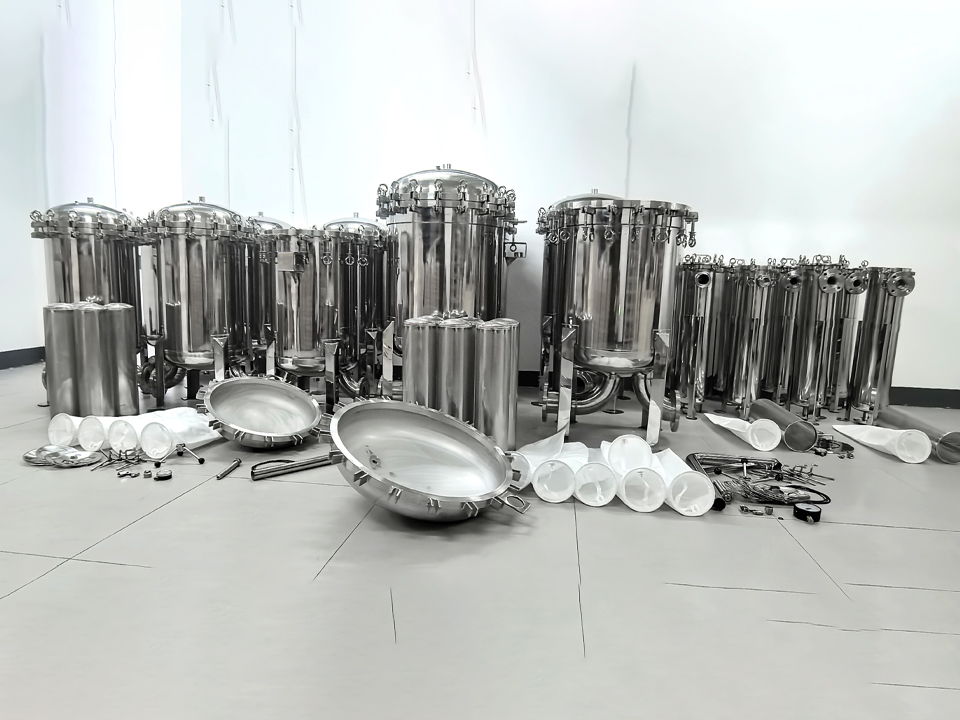
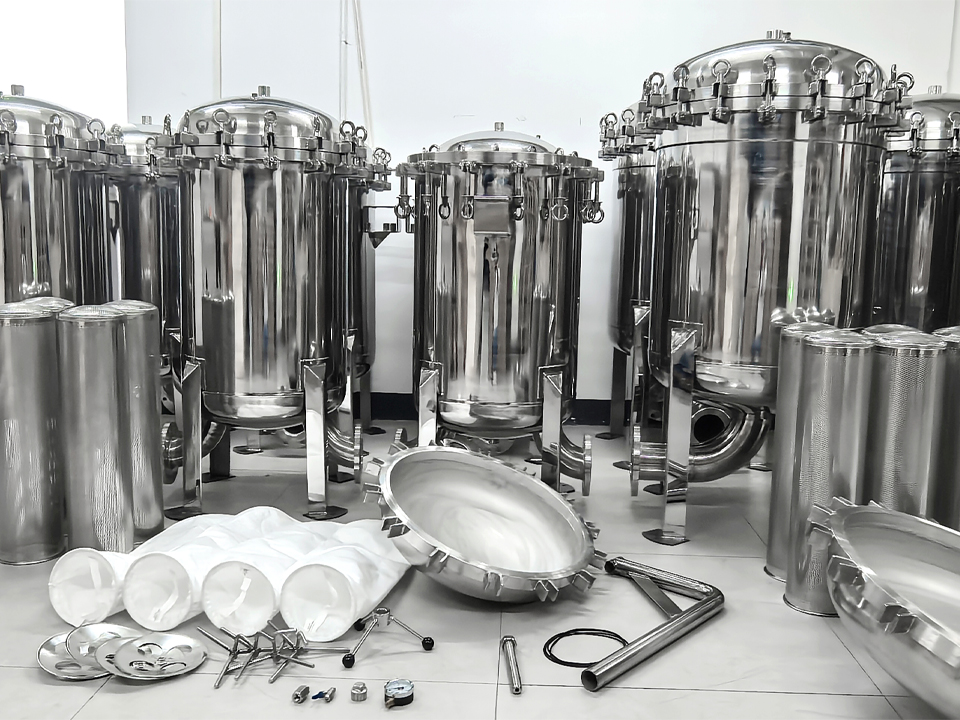
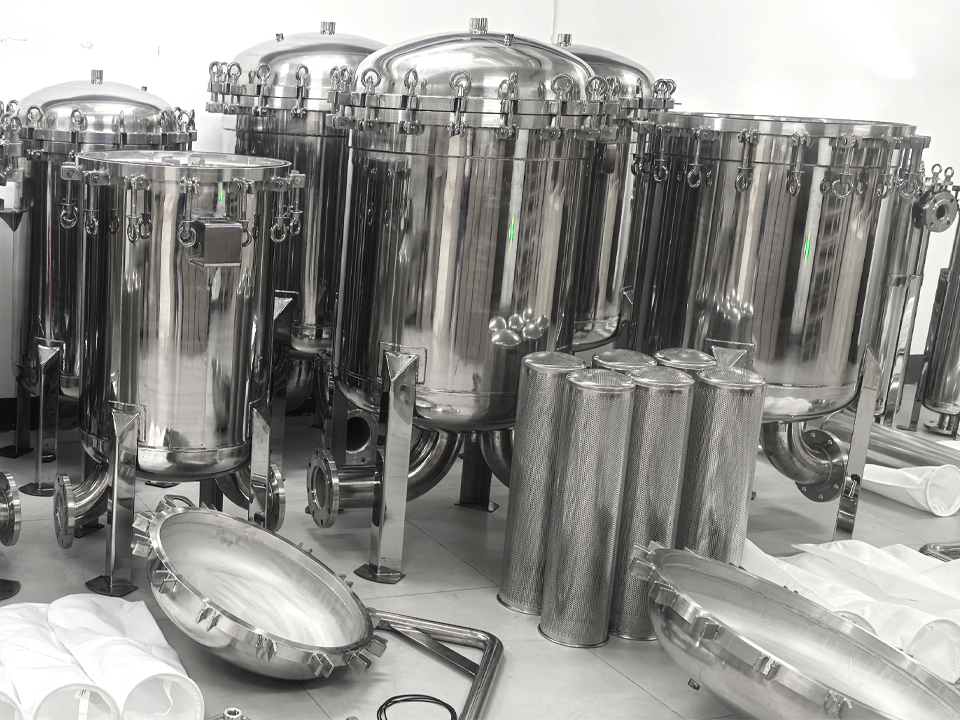
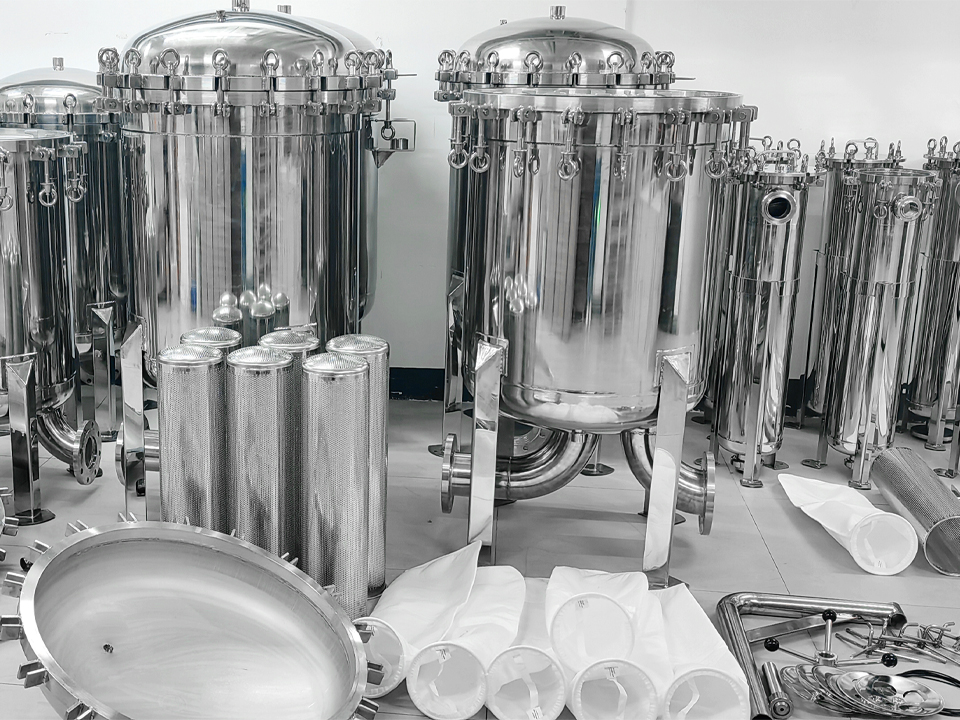
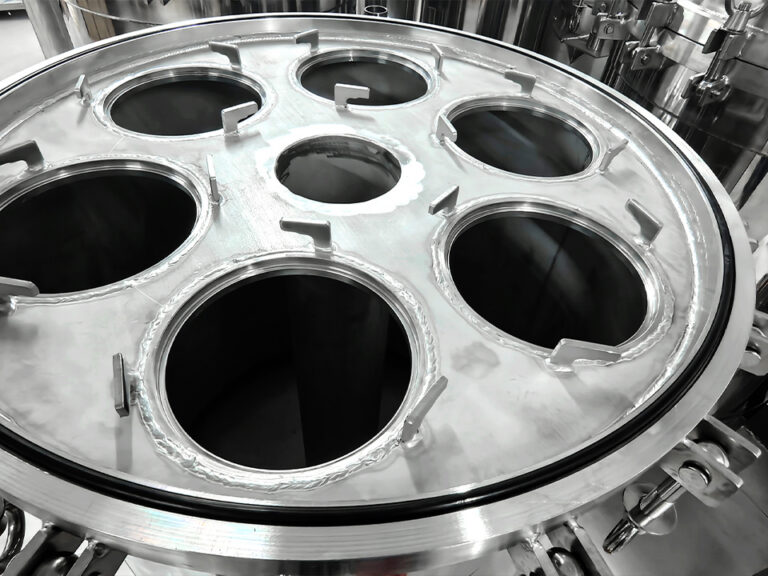
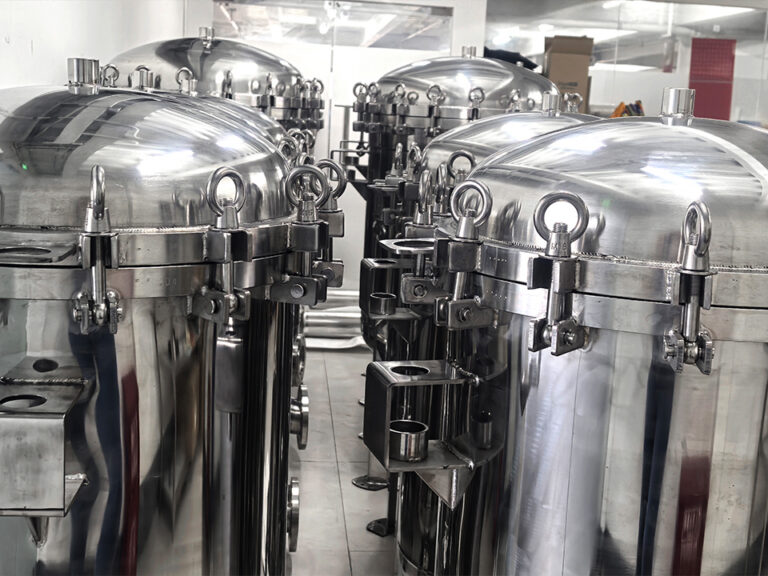
Standart ürün bağlamı için, bir 304/316L sıvı filtre kartuşu muhafazası 10, 20, 30 veya 40 inç kartuş boyutları, SUS304 veya SUS316L ürünü, parlatılmış veya kumlanmış yüzeyler ve Silastik, NBR, EPDM veya Viton gibi conta seçenekleri etrafında belirtilebilir. Bu bilgiler süs değildir; ünitenin gerçek bakımdan sonra nasıl davranacağını seçerler.
Kanıtlar: Hatları İyileştirin Kötü Varsayımları Cezalandırın
ABD Kimyasal Güvenlik Kurulu'nun Temmuz 2024 tarihli uzaktan tecrit araştırması özellikle filtre muhafazalarıyla ilgili değildir, ancak uzmanların prosedür ekipmanını nasıl değerlendirmeleri gerektiğine doğrudan uygundur. CSB, değerlendirilen olayların, güvenilir uzaktan izolasyonun olmadığı yerlerde muhafaza kaybından sonra arttığını, önemli yaralanmaları, ölümleri, çevresel kirlenmeyi ve aşırı tesis hasarlarını tetiklediğini belirtti.
Aynı çalışma API yardımına, 40 CFR Bölüm 68 kapsamında EPA Tehlike Yönetimi Programı değerlendirmesine ve 29 CFR 1910.119(e)(3) kapsamında OSHA PSM Rafine Tehdit Değerlendirme ihtiyaçlarına dokunan güncellemeleri tavsiye etmiştir. Tercümesi: ciddi operatörler artık bir dergi çalışması olarak cihaz seçimiyle uğraşmayacak.
2024 PEMEX Deer Park hidrojen sülfür salınımına göz atın. CSB kayıtları, 10 Ekim 2024 tarihinde, işçilerin genellikle H ₂ S gazı taşıyan borulardan bir tecrit perdesini çıkardıkları sırada bir fırlatma meydana geldiğini belirtmektedir; olay 2 ölüme ve 13 yaralanmaya neden olmuştur. Bu bir “filtre emlak metalurjisi” örneği değildi, ancak hat tanımlama, izolasyon ve malzeme kontrolünün aynı risk aile üyeleri içinde kaldığının acımasız bir hatırlatıcısıdır.
2024 TS ABD erimiş tuz patlaması çok daha dokunsaldır. CSB, bir ölümcül yaralanma, $1.3 milyon konut veya ticari mülk hasarı, sekiz aydan fazla kapanma ve bir oksitleyici banyosundan yaklaşık 4,500 pound sıvılaştırılmış tuz fırlatıldığını bildirdi. Muhafazaları düşündüğümde aldığım ders çok açık: diş çürükleri, yakalanan sıvı, yetersiz su drenajı ve göz ardı edilen kimya, parlak tedariki affetmez.
Seçenek Matrisi: 316L vs Kaplamalı 304
Seçim Öğesi
316L Paslanmaz Çelik Gayrimenkul
Kaplamalı 304 Paslanmaz Çelik Gövde
Saha Önerim
Klorürler: NaCl, tuzlu su, hipoklorit izleri
304'e göre çok daha iyi eşleşme ve delik direnci, ancak bağışık değil
Büyük ölçüde finisaj stabilitesine bağlıdır; çizikler komşu saldırı noktaları haline gelir
Klorür düzenli, odaklanmış, ısıtılmış veya yanlış kontrol edildiğinde 316L kullanın
Asidik sıvılar: HCl, zayıf asitler, düşük pH'lı durulamalar
Genellikle daha güçlü standart seçim, yine de kimyasal uyumluluk kontrolü gerektirir
Kaplama, iğne delikleri, kenarlar veya zarar görmüş bağlantı noktaları 304'e tabi olana kadar çalışabilir
Kaplama spesifikasyonu, tatil taraması ve değerlendirme oluşturulmadığı sürece 304'ün kaplamasından uzak durun
Kostik temizleme: NaOH, CIP döngüleri
Çeşitli temizlik rejimlerinde mükemmel fonksiyonel direnç
Katman şişmesi, yumuşama veya yan kaldırma başarısız bir seyir haline gelebilir
Yalnızca proses sıvısına göre değil, tam temizlik kimyasına göre seçim yapın
Tortu veya karbon cezalarından kaynaklanan aşınma
Metal yüzey alanı çizikleri çok daha iyi tolere eder
Hasarın örtülmesi ana metali ortaya çıkarabilir
Ön filtreleme kullanın ve zorlu hizmetlerde katmanlı iç kısımlardan kaçının
Kaynaklar ve ısıdan etkilenen alanlar
Düşük karbonlu 316L, kaynaklı parçalarda hassaslaşma tehdidini azaltmaya yardımcı olur
Katman, kaynak kusurlarını veya film altı bozulmaları gizleyebilir
Kaynak kaplaması, pasivasyon ve kayıtlı QA için çağrı
Değerlendirme endişesi
Mütevazı: çukurları, boşlukları, conta yerlerini, pürüzleri kontrol edin
Yüksek: tatilleri, talaşları, kabarmaları, kesik kenarları, conta sıkıştırma alanlarını inceleyin
Kaplamalı 304 disiplinli bakım kültürü gerektirir
İlk harcama
Daha büyük
Azaltılmış
Ekonomiklik sadece arıza giderleri azaltıldığında işe yarar
Başarısız tasarım
Çok daha kademeli, fark edilebilir renk değişikliği veya eşleşme görülebilir
İhlal yayılana kadar genellikle gizlenir
Arıza süresinin veya kirlenmenin pahalı olduğu yerlerde 316L'yi tercih edin
Kaplamalı 304'ün Aslında Anlamlı Olduğu Yerler
Ben 304 karşıtı değilim. Tembel 304'e karşıyım.
Kaplamalı 304, hafif kimyasal işleme filtresi gayrimenkul görevi için akıllıca bir satın alma olabilir: nötr su bazlı sıvılar, düşük klorür, ortam sıcaklığı seviyesi, oksitleyici yok, azaltılmış katı madde ambalajı, sabit pH ve nitelikli bakım grupları. Finiş tanımlanır, değerlendirilir ve değerlendirilirse, aptalca bir tehdit oluşturmadan bütçe planını esnetebilir.
Yine de “kaplamalı 304 paslanmaz çelik gövde” ibaresi satın almadan önce 5 sorguya yol açmalıdır:
Katman sıvı ve temizlik kimyasalları ile uyumlu mu?
Tatil testi yaklaşımı nedir?
Dişli bağlantı noktaları, kelepçeler, conta kanalları ve tahliye noktaları nasıl sabitlenir?
Mekanik aşınmadan sonra ne olur?
3, 6 ve bir yıl sonra muayeneye sahip olan?
Bunların arasında ıskalarsanız, bozulmaya karşı direnç satın almış olmazsınız. Umut satın alıyorsunuz.
316L Daha İyi Bir Varsayılan Olduğunda
Prosedürünüz klorürler, sıcak sıvılar, yinelenen temizlik, parti değeri tehdidi, solvent taşınması, kötü prosedür kimyası görünürlüğü veya muhafazayı sık sık açan sürücüler içeriyorsa 316L daha iyi bir varsayılandır.
316L, aynı şekilde, muhafazanın arızanın işçilere maruz kalma, ekolojik kapsam, ürün geri çağırma veya acil durum kapanmasına neden olduğu bir hatta ait olması durumunda çok daha iyi bir varsayılandır. Kuzey Amerika Özel Çelik Pazarı, klorür gerilimi korozyon çatlamasının bilinen bir paslanmaz çelik saldırısı ortamı olduğunu ve temel 304/304L ve 316/316L'nin belirli klorür, stres ve sıcaklık koşulları altında eğilimli olduğunu akılda tutmaktadır. Yani hayır, 316L sizi boyun eğmez yapmaz. Sadece size çok daha iyi bir başlangıç noktası sunar.
Şu anda daha yüksek dirençli geliştirmeleri tercih eden üretim tesisi müşterileri için SS316 filtre kartuşu filtre üretim tesisi için gayrimenkul Özellikle şartnamede SS304/SS316L seçenekleri, cilalı veya kumlanmış yüzey, flanş veya iç diş bağlantıları ve silikon, NBR, EPDM veya Viton gibi conta seçenekleri varsa, tartışmaya ince garantili katmanlı bir 304 değişiminden daha iyi uymaktadır.
Kartuş, Conta ve Sirkülasyon Yolunu Hatırlamayı İhmal Etmeyin
Kartuş ve conta planı sonradan düşünülmüş gibi seçildiğinden, paslanmaya dayanıklı bir filtre gayrimenkulü yine de savaşı kaybedebilir.
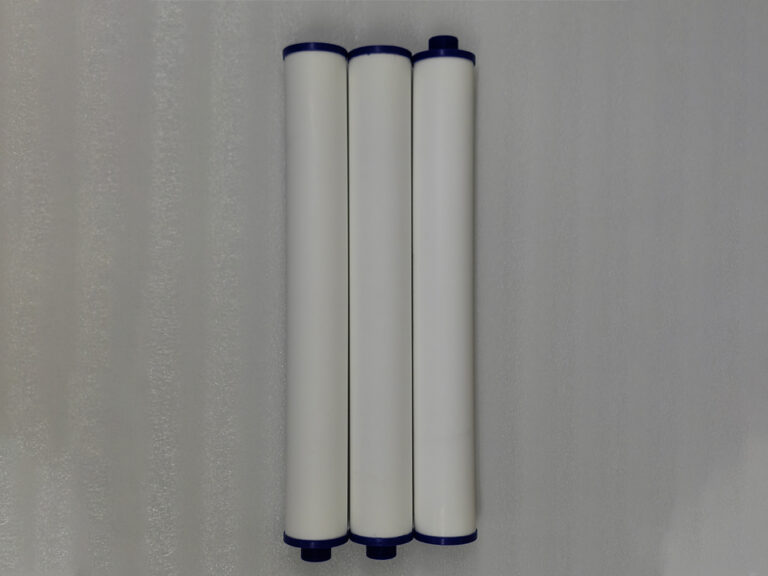
A PP pileli filtre kartuşu su arıtma veya endüstriyel partikül yakalamada daha yüksek arıtma konumu ve sabit sirkülasyona ihtiyaç duyduğunuzda mantıklıdır; referans verilen ürün web sayfasında PP malzeme, 69 mm OD, su arıtma kullanımı ve genişletilmiş arıtma alanı listelenmektedir.
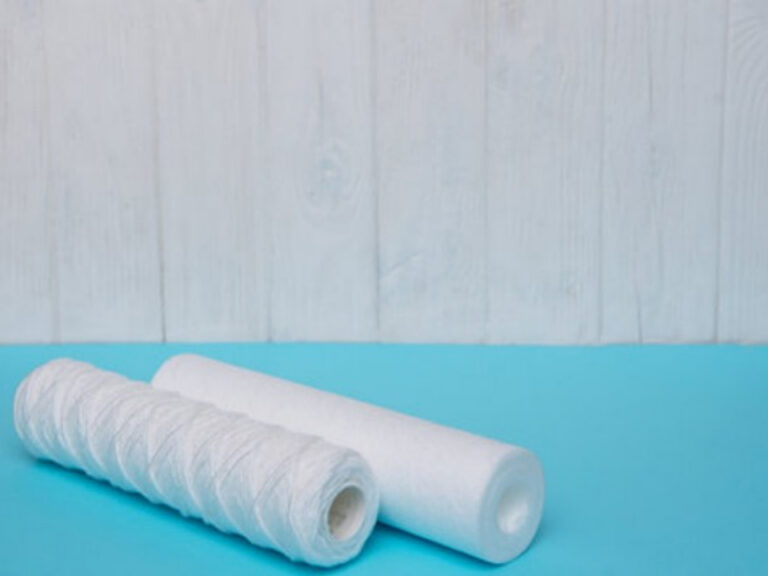
A tel sargılı tortu su filtresi daha büyük çöp yüklemesine ve ekonomik ön filtrelemeye uygundur; web sayfasında 1, 3, 5 ve 10 mikron kartuş seçenekleri, PP/pamuk/cam elyaf malzeme seçenekleri ve PP veya paslanmaz çelik iç çekirdekler listelenmektedir.
Bir karbon filtre elemanını açtı çeşitli evcil hayvanlardır: adsorpsiyon yükümlülüğü, koku/renk/organik azaltma ve kimyaya duyarlı hizmet. Sağlanan membran/malzeme seçenekleri, 0,22 ila 150 µm mikron skorları ve 5 ila 60 inç kartuş uzunlukları ile PP, PVDF, PTFE, PES ve Naylondan oluşur.
Öyleyse şu çirkin soruyu sorun: Kimyasal işleme için en etkili paslanmaz çelik gayrimenkulü mü seçiyoruz, yoksa teklifte öne çıkan bir malzeme satırıyla zayıf bir sistemi kurtarmaya mı çalışıyoruz?
Pratik Spesifik Kurallarım
Aşağıda tedarik, tasarım ve bakımın önüne koyacağım kılavuz yer almaktadır:
Kimya düşmanca, değişken, ısıtılmış, klorür içeren, çözücüden etkilenen veya kirletilmesi pahalı olduğunda 316L kullanın. Kaplamalı 304'ü sadece kimya hafif olduğunda, yüzey resmi olarak tanımlandığında, değerlendirme paralı olduğunda ve başarısızlık yansımaları düşük olduğunda kullanın.
Kısa. İşe yarar. Romantik değil.
Bir kimyasal işleme filtre muhafazası için, bir katman ihlalinin en iyi üretim sırasında bir hattı neden kapattığını açıklamaktansa 316L'nin daha yüksek ön fiyatını korumayı tercih ederim. Yine de uygulama gerçekten ılımlı olduğunda, katmanlı 304 mantıklı bir maliyet kontrol adımı olabilir. Sorun katmanlı 304 değildir. Sorun, çizildikten sonra 316L gibi davranmasıdır.
SIKÇA SORULAN SORULAR
316L, kimyasal işleme hatları için kaplamalı 304'ten her zaman çok daha mı iyidir?
316L, klorür maruziyeti, asidik temizleyiciler, yüksek sıcaklık, CIP döngüleri veya muayene boşlukları mevcut olduğunda kimyasal işleme hatları için tipik olarak çok daha güvenli bir gayrimenkul seçimidir, çünkü molibden taşıyan paslanmaz matrisi çizikler, kaynak ısı rengi, conta sıkıştırması ve normal bakım hasarından sonra da lokalize pasa karşı dayanıklıdır. Anında en düşük maliyetli seçim değildir ve klorür stres korozyon kırılmasına karşı bağışık değildir, ancak mühendislere kirli gerçek dünya çözümünde kaplamalı 304'ten çok daha fazla marj sunar.
Katmanlı 304 paslanmaz çelik gayrimenkul ne zaman mantıklıdır?
Prosedür sıvısı ılımlı, klorür dereceleri düşük, çalışma sıcaklığı seviyesi sabit, aşınma kısıtlı, son kat gereksinimleri belgelenmiş olduğunda ve tesis boşluklar, talaşlar, film altı bozulmalar, conta kenarları, dişli bağlantı noktaları ve kaynak bölgelerini amaçlanan bir zaman çizelgesinde inceleyebildiğinde kaplanmış 304 mantıklıdır. Isıtılmış tuzlu su, asitler, oksitleyiciler veya solvent ağırlıklı hatlar için kullanmadan önce kesinlikle düzenlenmiş su bazlı hizmet için kullanırdım.
316L ile kaplamalı 304 muhafazayı nasıl seçerim?
Arızanın yansıması kimyasal fırlatma, parti kontaminasyonu, acil kapatma veya çalışanların maruz kalması olduğunda, sadece kozmetik pas değil, gayrimenkul malzemesinin montaj çizikleri, basınç çarpması, kartuş değişimleri, solvent temizliği ve yıllarca fark edilmeyen delik birikintilerinden sonra güvenli kalması gerektiğinden, kapalı 304 yerine 316L'yi seçin. Kaplama sistemi gerçekten oluşturulmuş bir uyumluluk temeline ve değerlendirme rutinine sahip olduğunda 304'ü seçin.
Bir kimyasal işleme paslanmaz çelik filtre gayrimenkulünün içine hangi kartuş girmelidir?
Kartuş seçimi, yüksek alanlı partikül yakalama için PP pileli medya, ekonomik tortu yüklemesi için tel sargılı medya, adsorpsiyon görevleri için tetiklenmiş karbon ve kimyasal hizmet için EPDM, NBR, silikon veya Viton gibi uyumlu contalarla proses kirliliğine, sıcaklığa, kimyaya ve mikron hedefine uygun olmalıdır. Gövde metalurjisi yanlış filtre medyasını, yanlış contayı veya yetersiz değiştirme tekniğini telafi edemez.
Kaplamalı 304 muhafazalar için en büyük gizli tehdit nedir?
Katmanlı 304 gövdelerdeki en büyük gizli tehdit, küçük bir yüzey kusurunun, özellikle kelepçeler, teller, kaynaklar, conta olukları, drenajlar ve yüksek temaslı bakım yerleri gibi sağlam görünen bir yüzeyin altında kimyasal etkiye izin verdiği film altı korozyondur. Bu arıza modu, operatörlerin verimlilik, temizlik veya basınç bütünlüğü tehlikeye girene kadar bunu göremeyebilecekleri için tehdit oluşturmaktadır.
Karşılayamayacağınız Başarısızlığın Etrafında Gayrimenkul Geliştirin
Satın alma kaygısı “Hangi konut daha ucuz?” değildir.”
Mesele şu: Fabrikanız hangi başarısızlığa dayanabilir?
Hafif, kararlı, iyi denetlenen bir çözüm için, 304 kaplamalı yerini alabilir. Klorürler, asitler, kostik temizleme, sıcak, aşınma, solvente doğrudan maruz kalma, set kontaminasyon tehlikesi veya çalışanların doğrudan maruz kalma sonuçları olan kimyasal hatlar için kesinlikle 316L ve nedenini belirtirdim. Bundan sonra, paslanmaz bir etiketin sistemi düzelttiğini iddia etmek yerine kartuşu, contayı, port tasarımını, yüzey kaplamasını ve bakım aralığını kimyaya uygun hale getirirdim.
Savunulabilir bir spesifikasyona mı ihtiyacınız var? Akışkan kimyası, sıcaklık, stres, mikron hedefi, conta uyumluluğu ve temizleme yönteminizle başlayın, ardından bir Fabrika hatları için 316L paslanmaz çelik gayrimenkul seçeneği Katmanlı 304“ü ”yeterli" olarak kabul etmeden önce.”