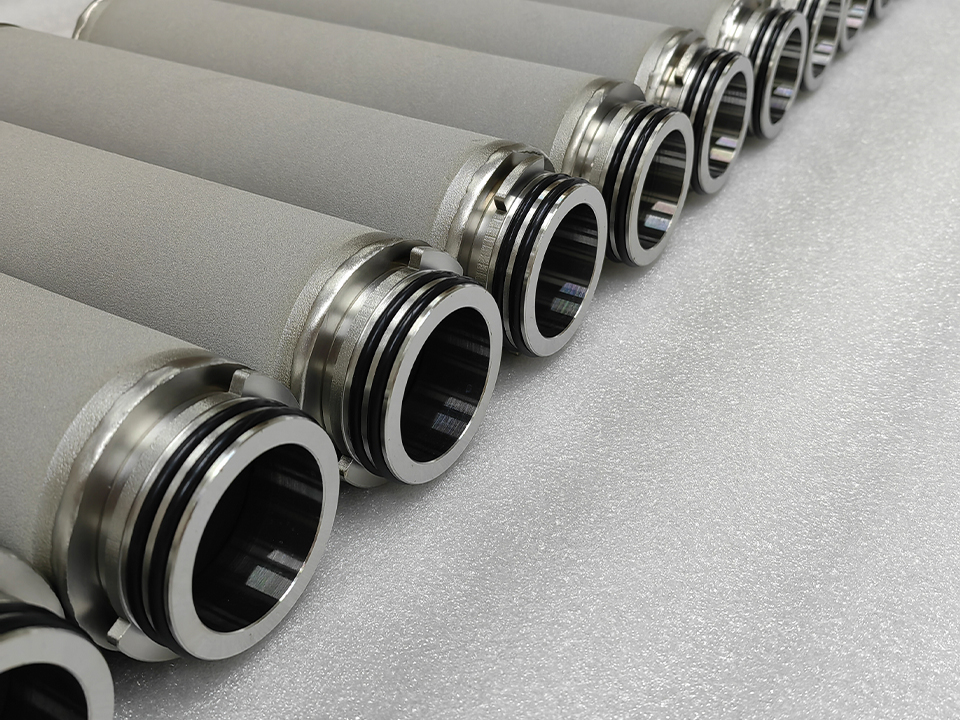
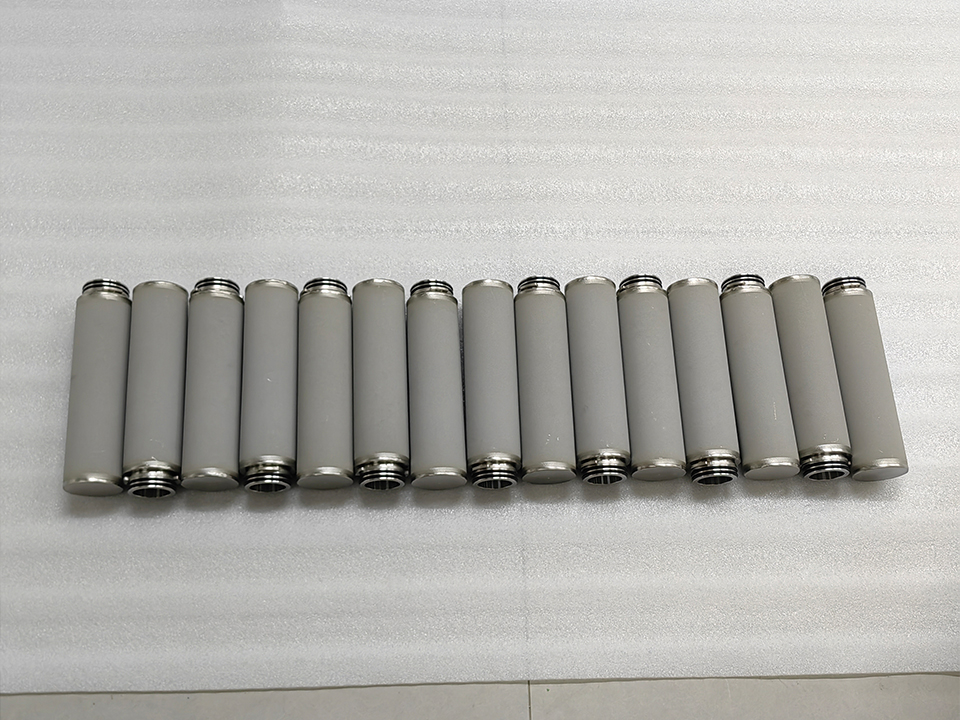
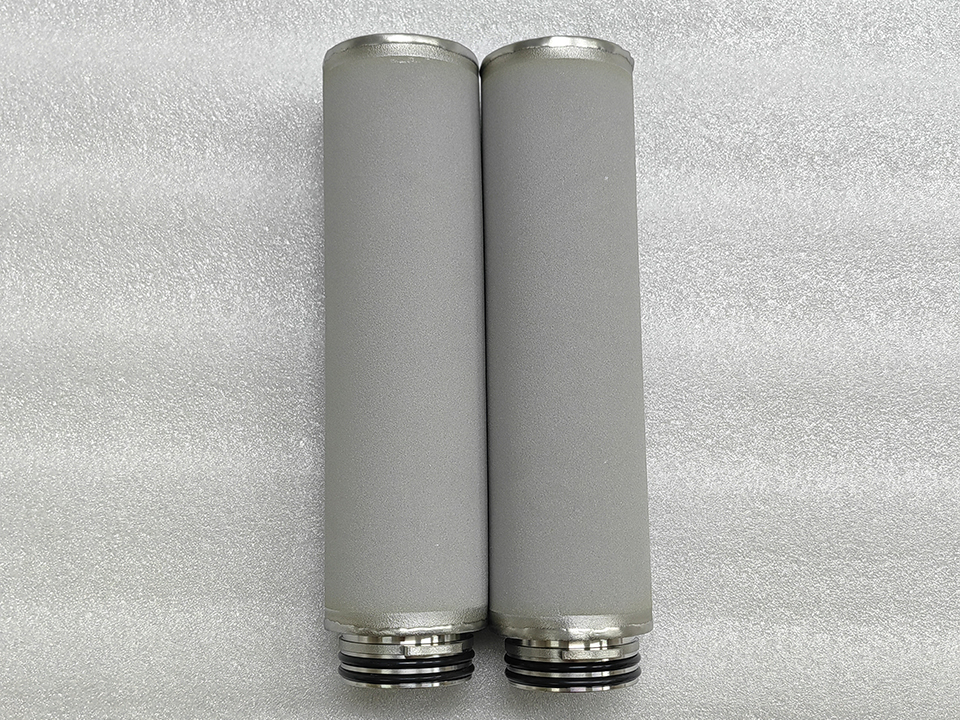
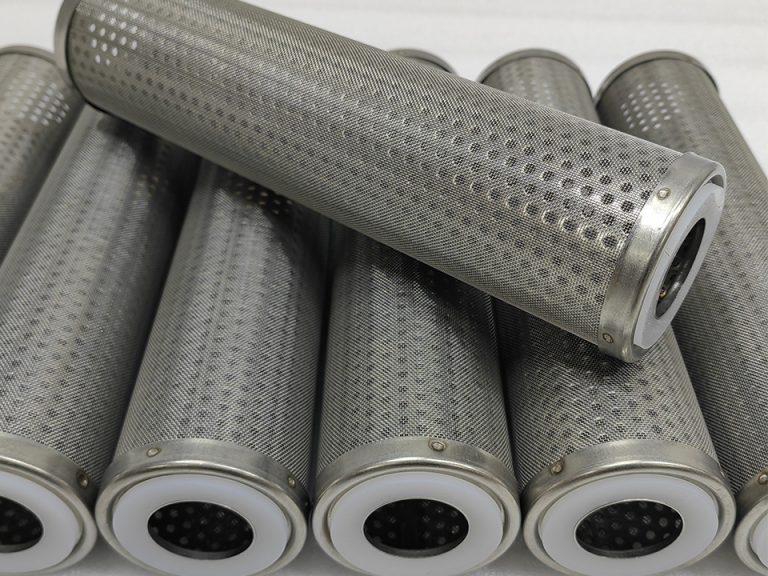
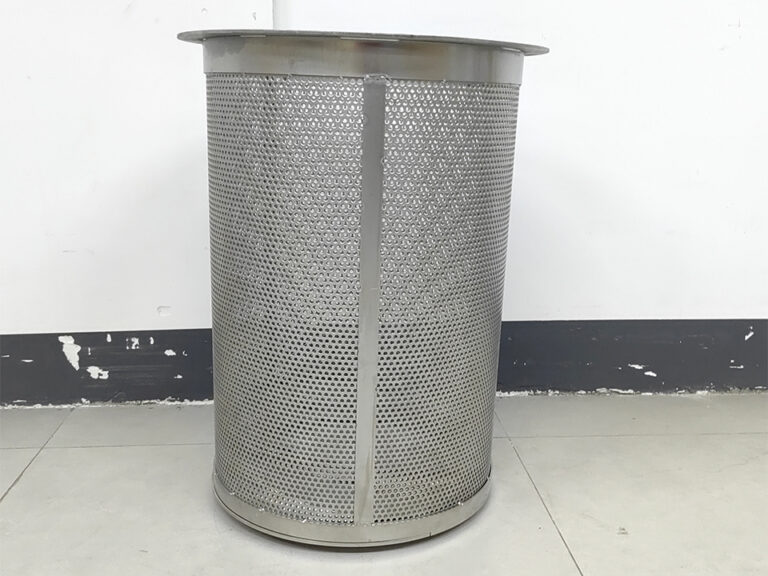
Guangzhou Lvyuan Su Arıtma Equipment Co, Ltd, 2009 yılında kurulan ve paslanmaz çelik filtre muhafazaları, paslanmaz çelik steril su tankları, filtre elemanları, filtre torbaları, ultra polimer malzemeler ve sinterlenmiş filtre ürünleri tasarlayan ve üreten endüstriyel bir filtre üreticisidir. Alıcılar OEM/ODM desteği, ISO9001 kalite kontrolü ve çok ülkeli sertifikalar için Lvyuan'ı seçmektedir.
OEM’ler için Yüksek Akışlı Filtre Kartuşu Uyumluluk Kılavuzu
Yedek bir kartuş, orijinal elemanla tamamen aynı kısa uzunluğa, mikron etiketine ve polimer özelliklerine sahip olsa da, contanın yanlış konuma oturması, uç kapağının tam olarak yerine oturmaması veya destek yapısının sistemin diferansiyel gerilimine dayanamaması nedeniyle yine de beklenen performansı gösteremeyebilir.
Neden ekipmanı riske atasınız ki?
Kartuş değiştirme konusuna oldukça net bir bakış açısıyla yaklaşıyorum: dergiler arasındaki benzerlik, uyumluluk konusunda bir karar değildir. Bu sadece incelemeye başlama iznidir. Nihai karar, boyut çizimleri, prosedür bilgileri, malzeme raporları, kurulum testleri ve standartlara uygun performans değerlendirmelerine dayandırılmalıdır.
Bu durum özellikle OEM programlarında büyük önem taşır. On parçayı değiştiren bir bakım sorumlusu, bir hatayı düzeltebilir. Ancak 200 paletlik bir siparişte yanlış kartuşu belirleyen bir ekipman üreticisi, bölgesel arızalar, müşteri şikayetleri, yedek parça sorunları ve yıllarca sürecek, önlenebilir servis çağrılarıyla karşı karşıya kalabilir.
Kartuşun fiyatı ucuzdur. Ancak bu hata öyle değildir.
Yüksek Akışlı Filtre Kartuşu Uyumluluğu Aslında Neyi Gösterir?
Yüksek akışlı bir filtre kartuşu, ancak aşağıdaki dört koşulu aynı anda karşıladığında uyumludur:
Gayrimenkul ile uyumluydu.
Baypaslara karşı sızdırmazlık sağlar.
Çalışma sorunlarına rağmen dayanıklıdır.
Gerekli filtreleme verimliliğini sağlar.
Birçok çapraz referans tablosu yalnızca ilk faktörü ortaya koymaktadır ve çoğu zaman o bile değildir. Bu tablolar, nominal boyut, dış çap ve mikron derecesini karşılaştırırken, sabitleme geometrisini, kıvrım düzenini, akış yönünü, çekirdek dayanıklılığını, yapıştırıcı yapısını, conta sıkıştırmasını, doğrudan kimyasal maruziyeti ve sıcaklığı göz ardı etmektedir.
Bu tasarım değil. Bu, SKU eşleştirmesidir.
Sağlanan ürün verileri, OEM’lerin neden kapsamlı bir gereksinim listesine ihtiyaç duyduğunu ortaya koymaktadır. Hazır konfigürasyonlar arasında 5 ila 60 inç arası boyutlar, 1 ila 100 µm arası mikron dereceleri, DOE ve SOE düzenlemeleri, 222 ve 226 adaptörleri, düz veya kanatlı uçlar ve çok sayıda conta ürünü yer alabilir. Dolayısıyla, “40 inç, 5 mikron PP” olarak adlandırılan iki kartuş, tamamen farklı yapılandırmalara sahip olabilir.
Çalışma ilkem oldukça nettir: Uyumluluk, kullanıcı arayüzü, malzeme, hidrolik ve performans düzeylerinde kanıtlanmalıdır. Sadece 3 grupta uyum sağlanması bile yine de reddedilme nedenidir.
Bir Kartuşun Uygun Olup Olmadığını Belirleyen Yedi Şart
1. Kartuşun Gerçek Uzunluğu
“40 inç”, bir ürün boyutudur; standart bir çizim ölçüsü değildir.
OEM mühendisleri aşağıdakileri doğrulamalıdır:
Genel kartuş boyutu
Etkili sabitleme uzunluğu
Taban ile O-ring merkez hattı arasındaki mesafe
Uç kapak tahmini
Kanat yüksekliği
Bahar dönemi veya sıkıştırma tahsisi
Yüklü sıkıştırma
Birkaç milimetre, bir O-ring’in alıcıya tam olarak oturup oturmayacağını ya da üzerinde kalıp kalmayacağını belirleyebilir. Kartuş, takılı gibi görünse de filtrelenmemiş sıvının filtre malzemesini atlatmasına neden olabilir.
Ön inceleme için, 10, 20, 30 ve 40 inçlik PP endüstriyel kartuş çeşitleri Bu, nominal boyut, kişiye özel boyutlar, uç kapağı stili, iç çap ve dış çapın tek bir ürün özeti yerine farklı değişkenler olarak nasıl ele alınması gerektiğini gösterdiği için yararlıdır.
2. Dış Çap ve İç Çap
Dış boyut, gayrimenkulün boşluk alanını, dolaşım alanını ve çok mermili bir sistemde bitişik kartuşlar arasında kullanılabilir alanı etkiler.
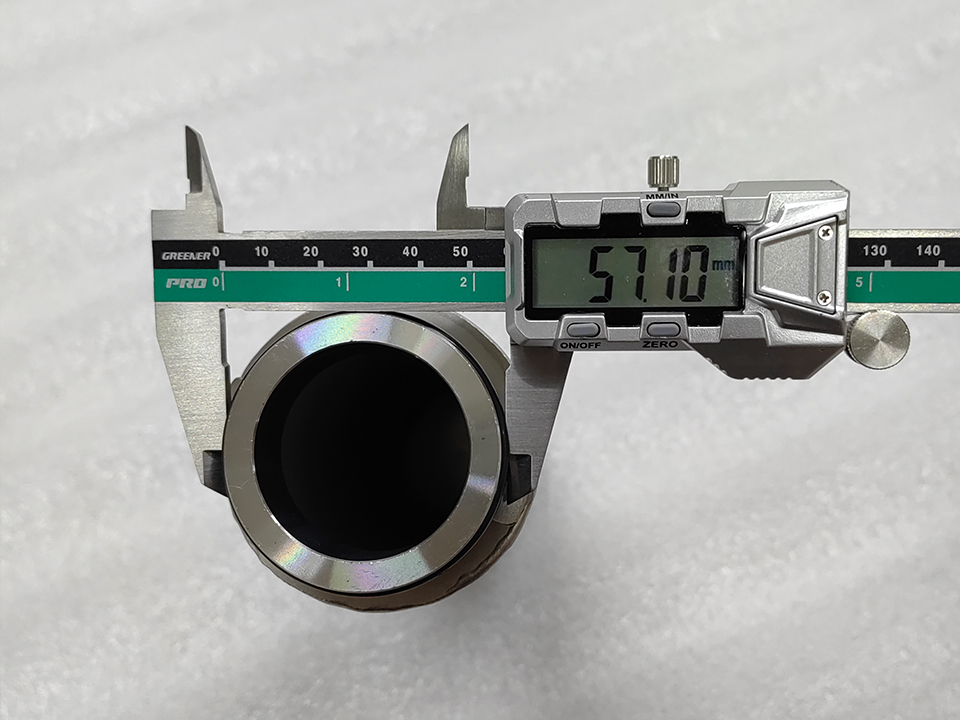
Kartuşun bir destek borusu, dik boru, konumlandırıcı veya sirkülasyon kaynağına takılması durumunda iç çap önemlidir. Piyasada bulunan PP kartuş modelleri genellikle yaklaşık 28–30 mm iç çap, 60–65 mm standart dış çap ve 110–115 mm jumbo boyutlarda olup, ayrıca OEM boyutları da sunulmaktadır.
Bir kartuşun dış çapı “yakın görünüyor” diye onaylamayın. Toleransları talep edin.
Asıl zorlu mesele, kartuşun yuvaya girip girmediği değildir. Asıl mesele, kartuşun gerilime, sıcaklığa ve kimyasallara doğrudan maruz kaldıktan sonra da merkezde kalıp kalmayacağı, sızdırmazlığını koruyup koruyamayacağı, hidrolik olarak kararlı olup olmayacağı ve çıkarılabilir olup olmayacağıdır.
3. Uç Kapağı ve Adaptör Geometrisi
DOE, SOE, 222 ve 226 birbirinin yerine kullanılabilen etiketler değildir.
Çift açık uçlu bir kartuş, genellikle mekanik sıkıştırma ve ayrı bıçak kenarı veya conta sabitlemesine dayanır. Tek açık uçlu bir tasarımda ise, genellikle bir veya iki O-ring içeren entegre bir adaptör kullanılır; bu adaptörün, uyumlu bir alıcıya geçmesi gerekir.
Genel olarak yapılan düzenlemeler şunlardır:
DOE
SOE
222 seviyesi
222 kanatçık
226 seviyesi
226 kanatçık
215 düz veya kanatlı
Özel tasarım adaptörler
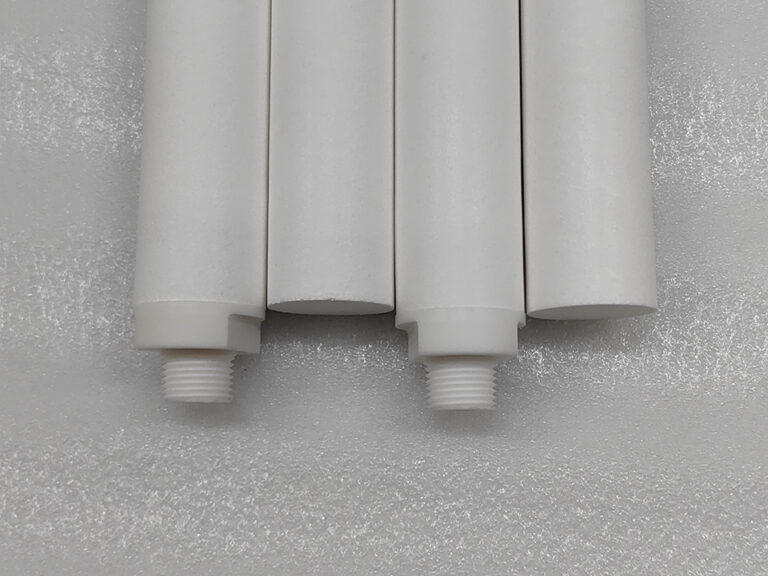
Bu 222 adaptörlü PP eriyik üflemeli kartuş Genel bir kartuş adının ardında gizli olan seçilebilir değişkenlerin çeşitliliğini ortaya koymaktadır: adaptör düzeni, kanatlı veya düz kapak, boyut, iç çekirdek, mikron derecesi, sızdırmazlık malzemesi ve özel ölçüler. Sunulan alternatifler arasında, tek bir evrensel bağlantı yerine DOE, 222 ve 226 tasarımları yer almaktadır.
Ve işte asıl zor olan nokta da bu: “222 uyumlu” demek yeterli değildir. Orijinal ekipman üreticileri (OEM’ler), adaptörün çizimini, O-ring yuvasının boyutlarını, takma derinliğini, sızdırmazlık boyutunu ve alıcı dirençlerini elde etmelidir.
4. Conta ve O-ring Malzemesi
Conta, kurulum sürecindeki en küçük parça olabilir, ancak genellikle kartuşun sıvıya uygun olup olmadığını belirleyen unsurdur.
Genel olarak şu alternatifler söz konusudur:
Silikon
EPDM
NBR
FKM, genellikle Viton gibi marka isimleri altında pazarlanmaktadır
Seçilen düzenlerdeki PTFE bazlı sızdırmazlık elemanları
Elastomeri asla sadece davranışına göre seçmeyin. Gerçek proses sıvısını, konsantrasyonu, temizlik kimyasallarını, çalışma sıcaklığını, maruz kalma süresini ve yasal gereklilikleri dikkate alın.
EPDM, çeşitli su sistemi uygulamaları için uygun olabilirken, FKM ise belirli yağlar, yakıtlar, çözücüler veya yüksek sıcaklık gerektiren uygulamalar için tercih edilebilir. Ancak genel geçer beyanlar yanıltıcı olabilir. Kimyasal direnç, konsantrasyona ve sıcaklığa bağlıdır; işlem sıvısında sorun yaşamayan bir ürün, yerinde temizlik işlemi sırasında arıza verebilir.
Sadece “lastik conta” ifadesini içeren herhangi bir çapraz referans önerisini reddederim.”
Bu bir teknik özellik değildir.
5. Filtre Malzemeleri ve Yapısal Ürünler
“PP kartuş” terimi, çok sayıda farklı yapıyı ifade edebilir:
Kıvrımlı polipropilen membran veya mikrofiber filtre malzemesi
Eğirerek bağlanmış destek katmanları
Polipropilen uç kapakları ve göbek
Paslanmaz çelik destek çekirdeğine sahip polipropilen filtre malzemesi
Naylon filtre malzemesi
Seçilen yüksek tirajlı yayın türlerinde cam elyaflı baskı malzemesi
Bu yapılar benzer şekilde işlev görmez.
Eriyik üflemeli PP, derin yapısı sayesinde filtre malzemesinin kalınlığı boyunca parçacıkları tutabildiğinden, genellikle tortu ve ön filtreleme için kullanılır. Pileli filtre malzemesi genellikle daha fazla açık alan sağlar ve basınç düşüşü, kir tutma kapasitesi ve verimlilik açısından farklı davranışlar sergileyebilir. Bu nedenle, kıvrımlı filtre malzemesinden eriyik üflemeli filtre malzemesine geçiş, rutin bir eşleştirme değil, bir filtreleme yeniden tasarımı olarak ele alınmalıdır.
Polipropilen, kimyasal formülüyle ((C₃H6) n), düşük yoğunluğu ve çok sayıda sıvı uygulamasıyla geniş uyumluluğu nedeniyle yaygın olarak tercih edilmektedir. Ancak “100% PP”, ekstraktlanabilir maddeler, katkı maddeleri, termal yapıştırma, uç kapak eki, destek katmanları, gıda ile temas belgeleri ve parti genelinde izlenebilirlik konularında hâlâ cevaplanmamış sorular bırakmaktadır.
Daha az karmaşık tortu işleri için, bir 20 inçlik PP, UDF ve CTO ön filtre kartuşu sistemi OEM alıcılarının, partikül ön filtreleme ile aktif karbon işlevlerini birbirinden ayırt etmelerine yardımcı olabilir. Ürün sayfasında PP membran seçenekleri, 1, 3, 5 ve 10 mikronluk konfigürasyonlar, çeşitli uç kapakları ve çok sayıda O-ring ürünü listelenmektedir.
Bir toz kartuşu ile bir karbon kartuşu aynı muhafazayı paylaşabilir. Ancak bu iki kartuş tam olarak aynı işlevi görmez.
Nominal Mikron Değerleri Kesin Sıralamalar Değildir
İşte bu noktada pek çok satın alma grubu zor durumda kalıyor.
5 µm’lik küçük bir kartuş, başka bir 5 µm’lik küçük kartuşla hemen eşdeğer sayılmaz. “Nominal” terimi, belirli bir parçacık boyutunda üretici tarafından tanımlanan bir parçacık uzaklaştırma miktarını ifade edebilir; ancak yüzde oranı, test kirleri, akış hızı, sıvı viskozitesi ve test yöntemi eşdeğer olmayabilir.
Kesin bir derecelendirme, tanımlanmış bir arıtma verimliliği veya beta oranıyla ilişkilendirilmelidir. Sıvı filtrelemede beta oranı genellikle şu şekilde ifade edilir:
[\ beta_x = \ frac \ x'ten daha büyük olan yukarı akıştaki metin parçaları ] 5 µm'de 100 olan beta oranı, matematiksel olarak bu test boyutunda 99% eleme oranıyla eşleşir:
[\ text = \ left( 1- \ frac 1 \ right) \ times 100. ] Ancak bu hesaplama, ancak her iki çarpım da karşılaştırılabilir koşullar altında değerlendirildiğinde anlamlıdır.
Dolayısıyla, bir OEM “Bu 5 mikronluk kartuş uygun mu?” diye sorduğunda, ilk yaptığım şey bir başka soruyu sormaktır: nominal mi yoksa mutlak mı, ve hangi teste göre?
Sunulan kartuş çeşitleri arasında 1, 3, 5, 10, 20, 25, 30, 50, 75 ve 100 µm seçenekleri bulunmaktadır. Bu geniş aralık, uyarlama açısından uygun olmakla birlikte, her bir boyutun aynı performans eğrisine veya kir tutma özelliklerine sahip olduğunu garanti etmez.
Bilgiyi isteyin.
Yüksek Akışlı Kartuş Filtre Muhafazası Uyumluluk Kontrol Listesi
Parça uyumluluğu, çizim bazında incelenmelidir.
Uyumluluk faktörü
OEM’in doğrulaması gereken hususlar
Bir eşitsizlikten kaynaklanan hata
Nominal ve reel büyüklük
Toplam boyut, sızdırmazlık yeri, sıkıştırma dağılımı
Kartuş kesinlikle kapanmıyor, gevşek kalıyor ya da baypas yapıyor
Dış boyut
Gayrimenkulün ortaya çıkışı, sepet temizliği, bileşenler arasındaki boşluk
Dolaşımın kısıtlanması, yerleştirme sırasında meydana gelen hasar, yetersiz dağılım
İç çap
Destek borusu veya konumlandırıcı boyutları
Kartuş, sistem çalışırken yerine oturmaz veya yerinden kayar
Kimyasal bozulma veya hatalı filtreleme verimliliği
Mikron verimliliği
Küçük, mutlak, beta oranı, verimlilik eğrisi
Kirlilik oluşumu
Diferansiyel basınç
Temiz ΔP, tedavi edilemez ΔP, çökme kısıtlaması
Erken değiştirme veya yapısal arıza
Sıcaklık
Sürekli ve en yüksek çalışma sıcaklığı seviyesi
Hazırlık, sızdırmazlık arızası, boyutsal ayar
Belgeler
Çizimler, sertifikalar, parti kontrolü, inceleme belgeleri
Kimlik bilgileri gecikmeleri ve alan çakışmaları
Bu tablo, OEM onay dosyasına eklenmelidir. Kararı, konu satırı “Aynı görünüyor” olan bir e-posta zincirinde bırakmayın.”
Gerilim Düşüşü, Dolaşım Hızı ve Çökme Mukavemeti
Yüksek sirkülasyon, sınırsız akış anlamına gelmez.
Sistem sirkülasyon hızı, kurulu kartuş sayısı, kalınlık, katı madde yükü, sıcaklık, boru tesisatı ve izin verilen temiz basınç düşüşü ile karşılaştırılarak değerlendirilmelidir. Uygun görünen bir kartuş, etkin arıtma alanı orijinalinden daha az ise, istenmeyen enerji tüketimine yol açabilir veya değiştirme aralıklarını uzatabilir.
Ortamda safsızlıklar birikmeye başladıkça gerilme düşüşü genellikle artar. Orijinal ekipman üreticileri (OEM) aşağıdakileri belirtmelidir:
Maksimum düzenli diferansiyel gerilme
Tahmini çalışma diferansiyel basıncı
Değişim diferansiyel basıncı
İzin verilen optimum basınç farkı
Çökme veya patlama kısıtlaması
Muayene sıcaklık seviyesi
Akış yönü
Yayınlanan PP kartuş gereksinimleri, sağlanan sayfalarda yer alan kontrol listesinde, yüksek sıcaklıkta izin verilen düşürülmüş diferansiyel basınç dahil olmak üzere sıcaklığa bağlı basınç sınırlarını ve belirli düzenlemeler için yaklaşık 2,1 bar civarında önerilen değiştirme değerlerini içermektedir. Bu rakamları, aynı sınıflandırma altında pazarlanan her kartuş için geçerli evrensel kısıtlamalar olarak değil, ürüne özgü kılavuz bilgileri olarak değerlendirin.
Sıcaklık seviyesi formülü değiştirir.
Sıcaklık aniden yükseldiğinde polimer sertliği düşebilir, contalar yumuşayabilir veya şişebilir ve kalınlık, proses sıvısına bağlı olarak ters yönde değişebilir. Ortam sıcaklığındaki suyla yapılan bir onay testi, bu nedenle yüzey aktif maddeler, glikol, kostik temizleyici veya hidrokarbonlar içeren 60 °C’lik bir proses hakkında son derece az bilgi verebilir.
OEM Filtre Kartuşu Çapraz Referans Tablosu Nasıl Oluşturulur?
Sağlam temellere dayanan, yüksek akışlı filtre kartuşu çapraz referans tablosu, sadece rakip model numaralarından ibaret olmamalıdır.
Öncelikle kurulum kısmıyla başlayın. Tasarımın tamamını, değişiklikleri, parti bilgilerini, gayrimenkul modelini, konut başına tutarı, kurulum talimatlarını, hizmet sürecini ve çalışma arka planını bir araya getirin.
Ardından karşılaştırmayı altı aşamada oluşturun.
1. Aşama: Orijinal Kartuşu Kağıtla Kaplama
Yakalama:
Tedarikçi ve model
Genel ölçüler
Raf uçlarındaki resimler
Mühür ürünü
Medya ve destek ürünleri
Mikron puanı ve verimlilik esası
Optimum kan dolaşımı
Düzenli basınç düşüşü konturu
Sıcaklık sınırı
Diferansiyel basınç sınırlaması
Yasal belgeler
Arka planı değiştir
2. Aşama: Konutun Durumunu Belgelemek
Aşağıdakiler için prosedürleri belirleyin veya görseller temin edin:
Alıcı oluşturuldu
Conta çapı
Adaptörün takılma derinliği
Standpipe ölçümleri
Kapatma sıkıştırması
Konut boyutu
Akış yönü
Yardım sepeti
Kartuş aralığı
Asla orijinal görünümün, gövdenin kusursuz olduğunu gösterdiğini varsaymayın. Kartuşlar eğrilir. Etiketler kaybolur. Önceki bakım ekipleri doğaçlama çözümler üretir.
3. Aşama: Aday Kartuşu Karşılaştırma
Aday, her bir ayrım dikkate alınarak satır satır incelenmelidir.
”Eşdeğer” kelimesi, hiçbir koşulda herhangi bir niteleme olmadan kullanılmamalıdır.
Hangi açıdan eşdeğer – boyutlar, malzemeler, verimlilik, akış, basınç düşüşü, kullanım ömrü, düzenleme koşulları veya maliyet açısından mı?
4. Aşama: Örnekleri İnceleme
El yapımı showroom cihazları yerine, üretim koşullarını yansıtan numuneler sipariş edin.
İnceleme:
Çeşitli saat konumlarındaki boyutlar
O-ring sorunu ve sıkılık
Uç kapağı eşmerkezliliği
Yüksek kaliteli tahvil
Yüzey alanı kusurları
Medyadan kaynaklanan zararlar
Etiket izlenebilirliği
Ürün ambalajının korunması
Toplu alımlar için, 25’lik paketler halinde paketlenmiş 40 inçlik, 5 mikronluk PP kartuş ürün ambalaj bilgilerinin neden sertifikasyon sürecinin bir parçası olması gerektiğine dair değerli bir örnek sunmaktadır. Belirtilen sistemin boyutları 1016 × 63 × 63 mm iken, sevkiyat verileri 103 × 34 × 33 cm’lik bir boyut planı ve 10,5 kg brüt ağırlıktan oluşmaktadır.
Bükülmüş çekirdekler, ezilmiş malzemeler veya deforme olmuş uç kapakları montaj hattına ulaştığında, nakliye sırasında meydana gelen hasarlar bir uyumluluk sorunu oluşturur.
5. Aşama: Kontrollü Doğrulama İşlemi
En azından, muayene:
Kurulum ve sökme
Conta stabilitesi
Temiz su basıncında düşüş
Sıralı tiraj
Diferansiyel basınç artışı
Parçacık giderme performansı
Sıcaklık seviyesine maruz kalma
Kimyasal doygunluk
Çökme direnci
Değiştirme sorunu
Birden fazla üretim partisinden çok sayıda numuneyi test edin.
Mükemmel bir örnek, süreç kapasitesi hakkında neredeyse hiçbir şey göstermez.
6. Aşama: Yetkili Düzenlemenin Kontrolü
Kabul edilen kartuş, malzeme maliyetinin düzenlenmiş olması veya taşıyıcı malzeme, çekirdek, uç kapakları, contalar, ölçüler, yapıştırma yöntemi, etiketleme, ürün ambalajı, denetim ve değişiklik bildirimlerini kapsayan üzerinde mutabık kalınmış bir teknik şartnameye sahip olmalıdır.
Ayarlama kontrolü yapılmazsa, sizin onayladığınız numune ile 18 ay sonra elinize geçecek kartuş arasında sadece model numarası ortak olabilir.
OEM’lerin Reddetmesi Gereken Yaygın İkame Hataları
Fotoğrafa Göre Eşleştirme
Resimler boyutları ve dirençleri gizler. Bakış açısı kaynaklı bozulma, uygun olmayan adaptörlerin birbirine benzemesine neden olabilir.
Yalnızca Mikron Puanına Göre Eşleştirme
“5 µm” etiketi, küçük verimlilik, mutlak verimlilik, beta oranı, dolum kapasitesi veya inceleme sorunları hakkında bilgi vermez.
222 ve 226’yı Genel Bağlantılar Olarak Ele Alma
Bunlar çeşitli adaptör sistemleridir; ayrıca düz ve kanatlı yapıların karşılaştırılması da kurulum ve sabitleme üzerinde etkili olmaktadır.
O-Ring Kimyasına Genel Bakış
O-ring şişerken, küçülürken, çatlarken veya işlemde enfeksiyona yol açarken, malzeme dayanabilir.
Oda Sıcaklığında Kabul Edilebilir Seviye
20 °C’de kabul edilebilir bir performans gösteren bir PP kartuşu, 60 °C veya 80 °C’de farklı bir gerilme dayanımına sahip olabilir. Tedarik edilen aralıkla ilgili katalogda belirtilen sınırlar, sıcaklık seviyesi arttıkça düşer.
Resim Olmaksızın “OEM Eşleştirme”nin Onaylanması
“OEM eşdeğeri” ifadesi, ilgili düzenlemelere uygun ölçümler ve performans bilgileriyle desteklenene kadar bir satış iddiasıdır.
Bir müşteriye bir atlama durumunu açıklamaktansa, onayı ertelemek daha iyi olur.
Özel Üretim Kartuşun Daha Fazla Etki Yarattığı Durumlar
Her OEM, satın aldığı bir gayrimenkul alanına temel bir kartuşu zorla yerleştirmemelidir.
Aşağıdaki durumlarda, ekipman için kişiye özel bir yedek parça temini gerekebilir:
Özel bir adaptör
Standart dışı conta konumu
Alışılmadık uzunluk
Kısıtlı gayrimenkul tasfiyesi
Yükselen sıcaklık seviyesi
Aşındırıcı kimyasallar
Özel izlenebilirlik gereksinimleri
Özel markalı ürün ambalajları
Yasal belgeleme gereksinimleri
Bir hedef basınç düşüş eğrisi
Sunulan PP serileri, boyut, dış çap, iç çap, adaptör, yüzey kalitesi, çekirdek, conta, logo ve ambalajın özelleştirilmesine olanak tanır. Bu uyarlanabilirlik değerli olmakla birlikte, kişiselleştirme, değişiklik kontrolüne olan ihtiyacı da artırmaktadır.
Önce çizimi belirtin.
O zaman alıntı yap.
Sık Sorulan Sorular
Yüksek akışlı bir filtre kartuşunu OEM sistemiyle uyumlu kılan nedir?
Uygun bir yüksek akışlı filtre kartuşu, geometrisi, sabitleme arayüzü, filtre malzemesi, mikron derecesi, sıcaklık sınırlaması, diferansiyel basınç değeri ve akış yönü, tesis ve prosedür gereksinimlerine o kadar yakından uyan bir yedek parçadır ki, herhangi bir ayar gerektirmeden monte edilebilir ve baypas, sızdırmazlık hasarı, çökme, aşırı basınç kaybı veya erken değiştirme sorunu yaşanmadan çalışabilir.
Nominal uzunluk ve dış boyutlar yalnızca ilk kontrol aşamalarıdır. OEM’ler ayrıca, çizimler ve üretim koşullarını yansıtan numuneler kullanarak adaptör boyutlarını, O-ring sıkıştırmasını, akış yönlerini, destek çekirdeğinin mukavemetini, filtre malzemesinin yapısını, kimyasal direnci, basınç düşüşü davranışlarını ve partikül tutma performansını da doğrulamalıdır.
40 inçlik bir filtre kartuşu, diğer herhangi bir 40 inçlik filtre kartuşunun yerine kullanılabilir mi?
40 inçlik bir filtre kartuşu, diğer 40 inçlik elemanların her birini hemen değiştiremez; zira “40 inç” genellikle gerçek uzunluğu, sızdırmazlık ayarını, dış boyutunu, adaptör geometrisini, sirkülasyon yönünü, filtre malzemesi alanını, destek yapısını, O-ring tipini, mikron verimliliğini veya gerilme ve sıcaklık dayanımını tanımlamayan nominal bir boyuttur.
Orijinal kartuşu ve alıcı parçayı inceleyin. Özellikle DOE, 222, 226, düz uçlu, kanatlı uçlu, kıvrımlı, eriyik üflemeli veya jumbo çaplı tasarımları değerlendirirken, ürün adlarına değil, toleranslı çizimlere göre karşılaştırma yapın.
222 ve 226 numaralı filtre kartuşu adaptörleri birbirinin yerine kullanılabilir mi?
222 adaptörü ve 226 adaptörü, farklı kilitleme ve sabitleme geometrilerine sahip, birbirinden farklı tek açık uçlu kartuş bağlantılarıdır; bu nedenle, yuva alıcısı her iki tasarımı da destekleyecek şekilde özel olarak tasarlanmadıkça ve kartuş üreticisi uyumluluk, sıkıştırma, tutma ve baypas kontrolünü doğrulayan çizimler sunmadıkça, bu adaptörler birbirinin yerine kullanılabilir olarak değerlendirilmemelidir.
Ayrıca, aynı adaptör ailesi içinde bile, kanatlı ve düz uçlar tutma veya hizalama özelliklerini değiştirebilir. O-ring boyutunu, oluk konumunu, yerleştirme derinliğini, ilgili durumlarda bayonet bağlantısını ve sabitleme arayüzü ile kartuş ucu arasındaki mesafeyi kontrol edin.
Bir OEM, doğru mikron derecesini tam olarak nasıl seçmelidir?
Doğru mikron derecesi, kartuş etiketinde belirtilen az sayıdaki değerden tamamen seçilmek veya bir rakibin broşüründen kopyalanmak yerine, belirli bir verimlilik, test yöntemi, partikül boyutu, akış koşulu ve dolum beklentisiyle ortaya konan, sonraki aşamadaki prosesi veya ekipmanları korumak için gerekli partikül tutma performansıdır.
Öncelikle kirletici akışını ve akış aşağı direnci göz önünde bulundurun. Ardından nominal veya mutlak sıralamaları, beta oranlarını, basınç düşüşü konturlarını, kir tutma kapasitesini ve hizmet ömrü bilgilerini karşılaştırın. Aşırı basınç kaybına veya kısa değiştirme aralıklarına neden olan bir kartuş, her zaman daha iyi bir seçenek değildir.
Bir OEM yedek kartuşunun onaylanmasından önce hangi dosyalar talep edilmelidir?
Bir OEM yedek parça yetkilendirme paketi, kontrollü boyutlu çizimler, ürün beyanları, ortam ve conta teknik özellikleri, mikron verimlilik verileri, basınç düşüşü konturları, çalışma sıcaklığı sınırlamaları, diferansiyel basınç sınırlamaları, kimyasal uyumluluk kılavuzları, üretim dirençleri, denetim gereklilikleri, parti izlenebilirliği, geçerli sertifikalar, ürün ambalaj özellikleri, örnek kayıtlar ve gelecekteki malzeme veya prosedür değişiklikleri için oluşturulmuş uyarı taleplerinden oluşmalıdır.
Belgeler, önerilen belirli modele ve değişikliklere uygun olmalıdır. Genel ticari sertifikalar, sınıflandırma broşürleri veya benzer bir kartuşa ait bilgiler, konfigürasyona özgü kanıtların yerine geçemez.
OEM’ler, yüksek akışlı yedek filtre kartuşlarını tam olarak nasıl kontrol edebilirler?
OEM doğrulama, önerilen kartuşun tesis, prosedür gereksinimleri ve orijinal bileşenle karşılaştırılarak yapılan, boyut incelemesi, kurulum testi, sızdırmazlık onayı, temiz basınç düşüşü ölçümü, nominal akış çalışması, partikül giderme testi, sıcaklık seviyesine maruz kalma, kimyasal uyumluluk incelemesi, diferansiyel basınç yüklemesi, çökme analizi, arındırma değerlendirmesi ve çoklu parti tekrarlanabilirlik kontrollerini içeren, düzenlemelere tabi bir karşılaştırma sürecidir.
Üretime temsil niteliğinde birkaç numune kullanın. Kararın hafızaya dayalı olarak korunmak yerine tekrarlanabilmesi için inceleme sıvısını, sıcaklığı, akışı, partikül engellerini, aletleri, kabul sınırlarını, numune partisini ve arıza gözlemlerini videoya kaydedin.
Fiyat Teklifi Talep Etmeden Önce Yedek Parça Şartnamesini Hazırlayın
Kapsamlı bir OEM sorgusu, “40 inç, 5 mikron, PP” ifadesinden daha fazlasını içermelidir.”
Gövde versiyonunu, kartuş çizimini, gerçek ölçüleri, adaptör türünü, sızdırmazlık malzemesini, akış yönünü, hedeflenen mikron verimliliğini, çalışma akış hızını, temiz ve kirli durumlardaki diferansiyel basıncı, sabit ve tepe sıcaklığı, proses sıvısının bileşimini, temizlik kimyasallarını, gerekli sertifikaları, yıllık üretim hacmini, ürün ambalaj formatını ve markalama gerekliliklerini gönderin.
Bu ayrıntı, konuşmanın seyrini değiştirir. Hizmet sağlayıcının dikkatini düşünmekten mühendisliğe kaydırır.
Mevcut bir gövde için yüksek akışlı filtre kartuşu eşleştirme tablosuna, özel markalı ikame ürüne, özelleştirilmiş adaptöre veya üretim numunesine mi ihtiyacınız var? Yedek parçanın üretime geçirilmesinden önce, konfigürasyon incelemesi için orijinal kartuş versiyonunu ve boyut çizimini gönderin.