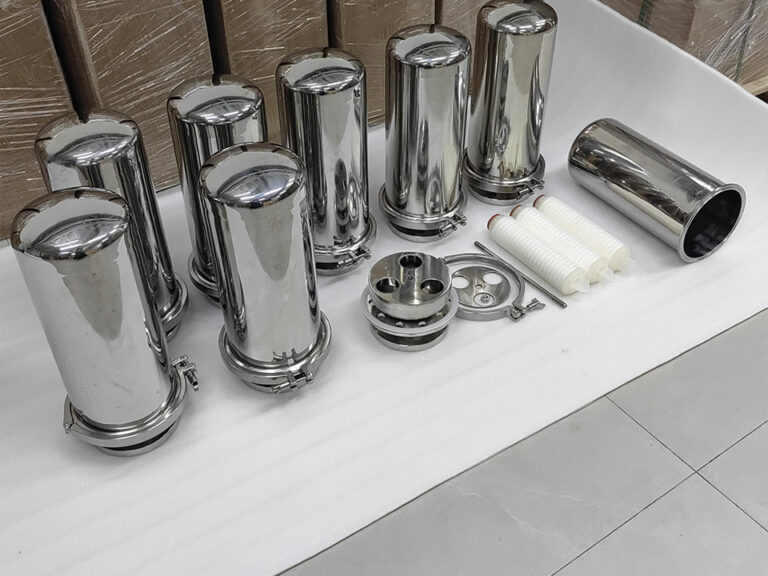
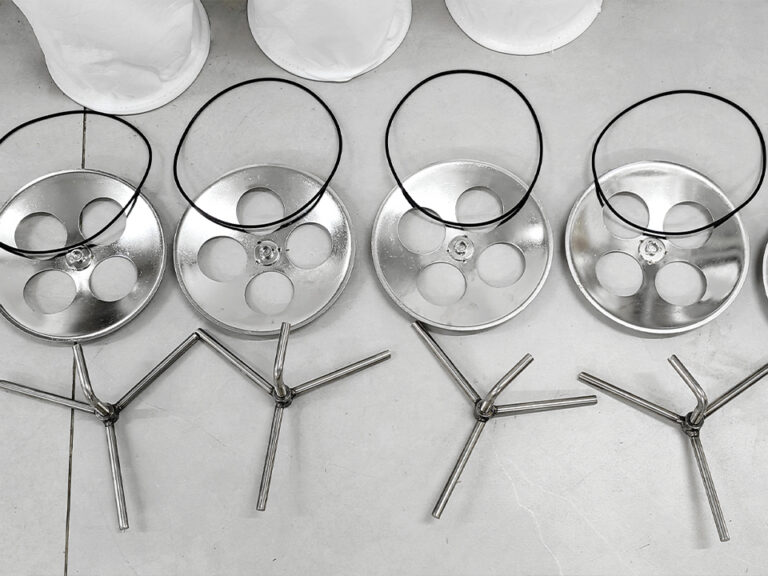
Guangzhou Lvyuan Su Arıtma Equipment Co, Ltd, 2009 yılında kurulan ve paslanmaz çelik filtre muhafazaları, paslanmaz çelik steril su tankları, filtre elemanları, filtre torbaları, ultra polimer malzemeler ve sinterlenmiş filtre ürünleri tasarlayan ve üreten endüstriyel bir filtre üreticisidir. Alıcılar OEM/ODM desteği, ISO9001 kalite kontrolü ve çok ülkeli sertifikalar için Lvyuan'ı seçmektedir.
PP Melt Blown Cartridges in Manufacturing Process Water Lines
A production process-water stream can look flawlessly clear while lugging enough pipeline range, corrosion particles, resin pieces, silica agglomerates, weld debris, and put on hold solids to obstruct spray nozzles, foul warm exchangers, damage seals, or shorten reverse-osmosis membrane life.
So why are cartridges still purchased by micron number alone?
My candid response: due to the fact that cartridge filters are inexpensive, procurement departments treat them as commodities, and plants typically fail to compute the cost of what occurs downstream. An inexpensive thaw blown filter cartridge is not low-cost when it blinds prematurely, sheds caught product during stress rises, or pressures drivers to close down a line every three days.
The U.S. Division of Energy explains water as indispensable to making activities consisting of washing, dilution, cooling, transportation, and item construction. It likewise notes that sourcing, treating, and distributing commercial water consumes energy– indicating every unnecessary pressure decrease eventually becomes an overhead.
Why PP Melt Blown Cartridges Fit Manufacturing Process Water Lines
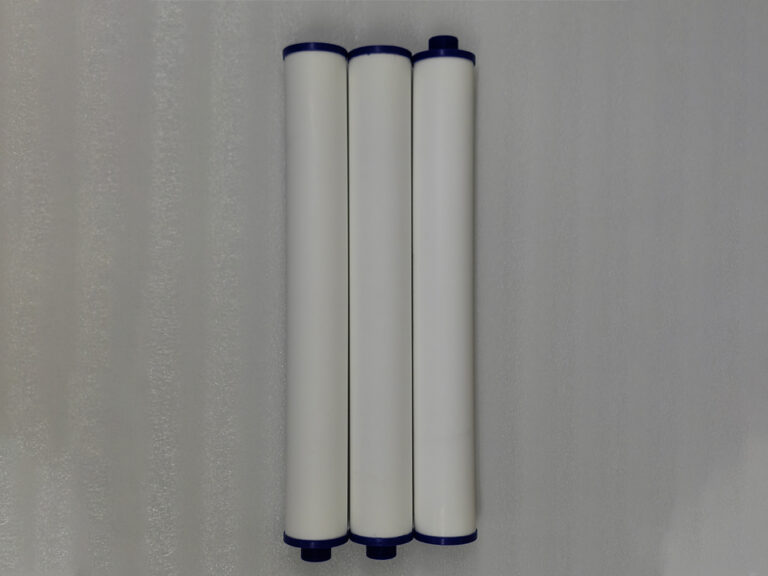
A PP melt blown filter cartridge is a disposable depth-filtration element made from thermally bonded polypropylene fibers. Water generally takes a trip from the cartridge outside towards its hollow center, while fragments are recorded throughout the media density rather than only on its surface.
Bu ayrım meselesi.
In a correctly developed polypropylene depth filter cartridge, the outer region is a lot more open and captures bigger fragments. Fiber thickness raises toward the core, where smaller contaminants are maintained. Suppliers including Donaldson and Pall explain graded-density or graded-pore building and constructions meant to improve dust capacity and prolong operating life compared to a consistent filter layer.
The chemistry is similarly functional. Polypropylene, generally stood for by the duplicating polymer device (C İKİ H ALTI)ₙ, is made use of due to the fact that it endures lots of aqueous chemicals and stays clear of the adhesives found in some alternative cartridge buildings. However “polypropylene building and construction” does not automatically imply universal compatibility. Oxidizers, hydrocarbons, raised temperature, cleaning up chemicals, and the picked EPDM, NBR, silicone, or FKM seal can establish whether the assembly makes it through.
I question specifications that claim just “PP, 5 micron, 20 inch.” That is not a design specification. It is a shopping summary.
At minimum, a production purchaser must specify:
Small or absolute retention performance
Needed particle-removal percent
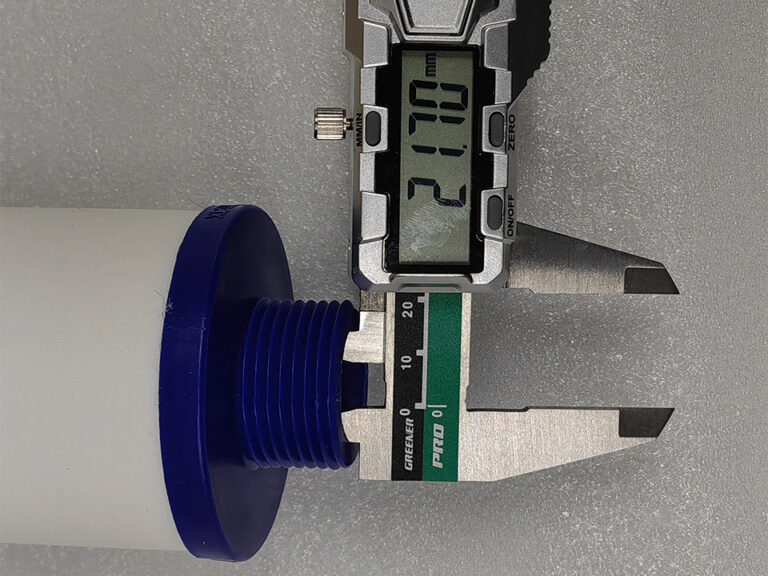
Cartridge dimensions and adapter code
Clean differential pressure at style circulation
Maximum permitted differential stress
Water temperature and thickness
Chemical and seal compatibility
Expected solids filling
Called for downstream water quality
Changeout and disposal treatment
Without those areas, suppliers can price quote technically different cartridges against the very same questions.
Exactly How Do PP Melt Blown Filter Cartridges Work?
Thaw blowing begins by heating up polypropylene resin and creating penalty fibers that are deposited around a turning mandrel. By managing fiber size, deposition rate, air flow, and layer density, the manufacturer produces a three-dimensional permeable structure.
No secret there.
The genuine performance question is whether that structure is repeatable from cartridge to cartridge, production great deal to manufacturing great deal, and vendor to distributor. A cartridge might carry a “5 µm” label while offering extremely various effectiveness from an additional item with the very same printed rating.
Eaton’s purification advice identifies small filtration from absolute purification: a small pore rating can represent an undefined percentage of fragments retained over the specified dimension, while absolute efficiency is connected to a defined, considerably greater retention efficiency under defined examination conditions. Filtering stress, particle form, concentration, and test approach can all influence actual outcomes.
This is the industry’s awkward truth: micron ranking is not efficiency information.
Request the beta proportion, efficiency curve, test contaminant, obstacle focus, circulation rate, and examination standard. A 5 micron nominal filter ought to not be presumed to get rid of every particle larger than 5 µm. And a cartridge evaluated with clean water at 20 ° C should not be expected to produce the same pressure decrease in cold, viscous, solids-heavy procedure water.
Choosing the Correct Micron Score Without Guessing
The very best PP thaw blown cartridge for process water is the coarsest cartridge that regularly secures the downstream process.
Finer is not instantly much better.
Mounting a 1 µm cartridge where a 10 µm element is sufficient might enhance differential pressure, reduce life span, increase labor, consume even more cartridges, and generate no quantifiable top quality renovation. Alternatively, utilizing a 20 µm cartridge before a delicate spray nozzle or RO membrane may move the cost downstream.
A sensible choice procedure begins with raw information:
Procedure overall put on hold solids, turbidity, and particle-size circulation.
Recognize the smallest downstream opening or tolerance.
Establish the called for elimination effectiveness– not just the micron label.
Calculate flow per cartridge at minimum and maximum water temperature.
Tape tidy and dirty differential stress.
Run a controlled test making use of 2 candidate rankings.
Compare price per cubic meter dealt with, not cartridge acquisition rate.
For general debris control, a 10-inch 5 micron polypropylene filter cartridge may be an affordable pilot aspect. The released item range consists of 1, 3, 5, and 10 µm alternatives, DOE building and construction, and polypropylene media, however the last acquisition document must still validate whether those scores are nominal or outright.
A Practical Beginning Matrix
Process condition
Starting micron array
What I would validate first
Typical mistake
Noticeable corrosion and pipe range
20–50 µm
Solids loading and cartridge capability
Beginning at 1 µm
General energy procedure water
5- 20 µm
Nozzle size and turbidity pattern
Acquiring by appearance
Parts cleaning or rinsing
5–10 µm
Surface-finish issue information
Overlooking recirculated fines
RO or DI pretreatment
1– 10 µm organized
SDI, biofouling and outright performance
Treating nominal 5 µm as a membrane layer obstacle
Repaint, finish or layering rinse
1–10 µm
Fragment chemistry and bathroom carryover
Disregarding chemical compatibility
Air conditioning or heat-transfer circuits
10– 50 µm
Rust range and exchanger flows
Waiting for flow collapse
These are trial arrays, not universal solutions. A fragment counter and differential-pressure log will inform you greater than a glossy brochure.
The 5 Micron Polypropylene Filter Cartridge: Useful, however Overprescribed
5 microns has actually ended up being the default industrial response because it sounds great sufficient to be safety and coarse adequate to preserve flow. Often that judgment is correct. Frequently it is inherited from an old purchase order nobody has actually tested.
A 5 micron polypropylene filter cartridge is normally beneficial when the plant needs intermediate sediment decrease before:
RO ön arıtması
Great spray nozzles
Components washers
Heat exchangers
Plating rinses
Carbon cartridges
Pleated last filters
Yet it can not get rid of liquified salts, hardness ions, dissolved iron, low-molecular-weight organics, or microorganisms simply because “5 micron” shows up on the container. H TWO O chemistry does not disappear inside polypropylene fibers.
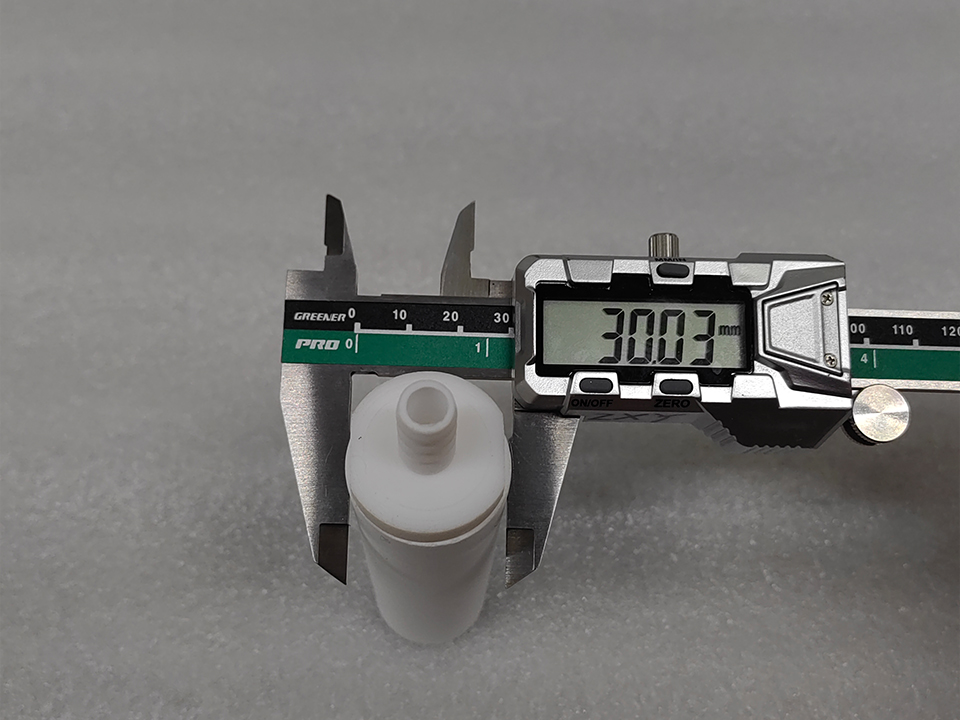
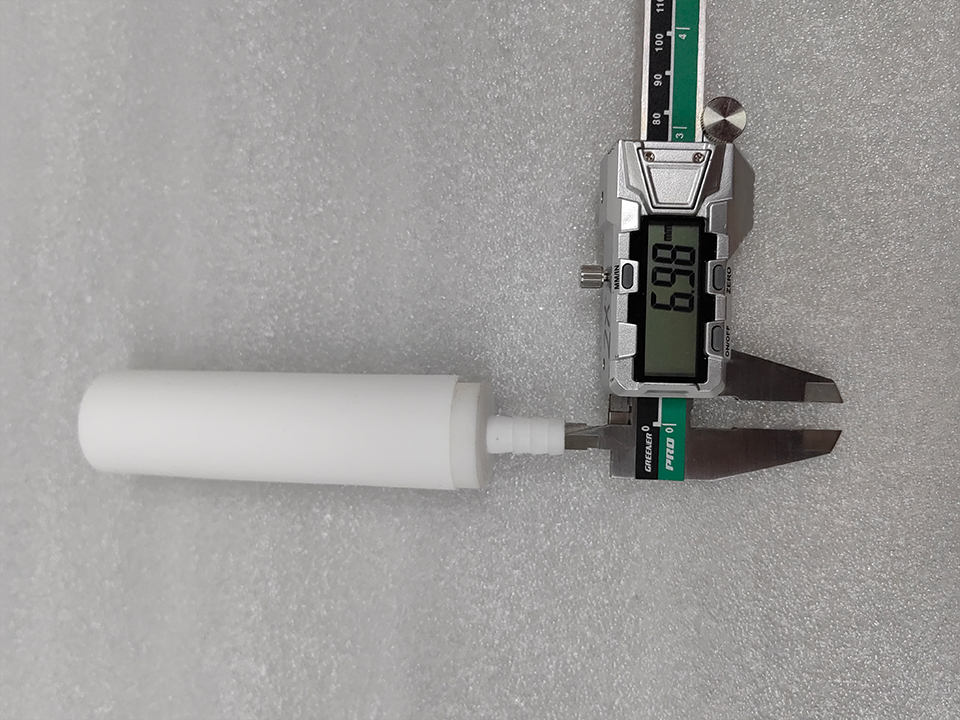
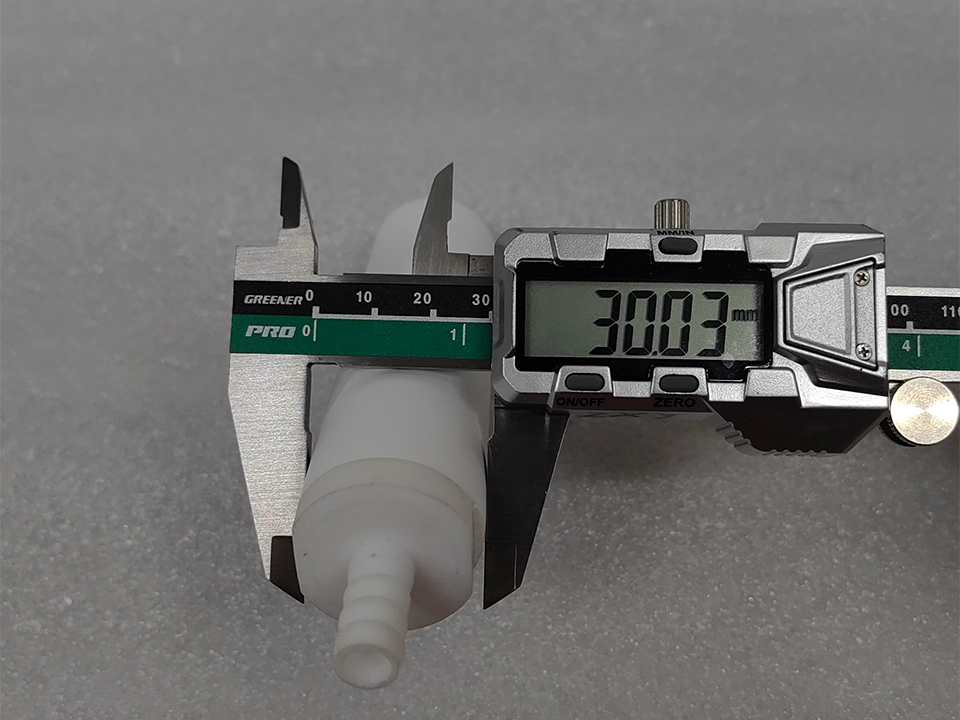
For a common housing or a small recognition skid, the connected PP rotated 5 micron cartridge provides a standard 10-inch format. Higher-flow installations may instead warrant a 20-inch flat DOE PP thaw blown cartridge to minimize the number of real estate openings and cartridge changes.
The published 20-inch item info checklists scores from 1 to 100 µm, multiple DOE and SOE adapter arrangements, an 80 ° C maximum running temperature in one spec block, and a number of differential-pressure figures. That variation is exactly why I would require an authorized model-specific data sheet before releasing an order.
Magazine web pages sell. Managed requirements secure plants.
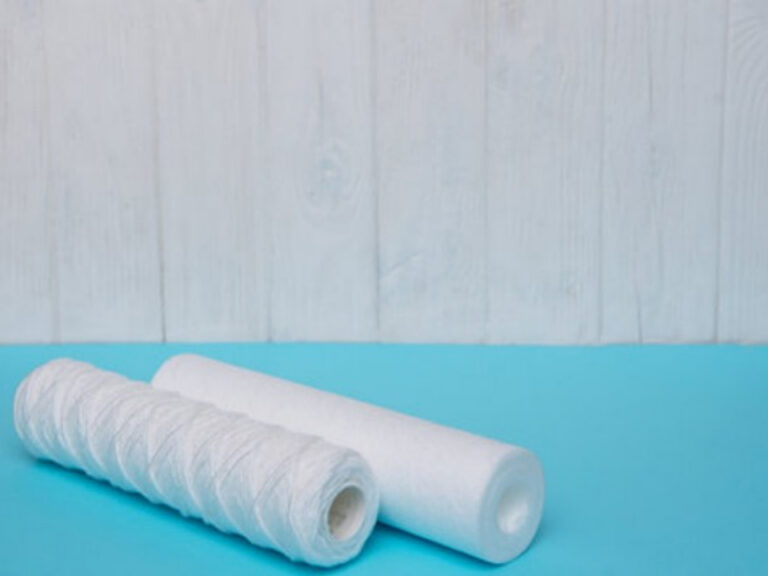
PP Melt Blown vs String Wound Filter Cartridge
The PP melt blown versus string injury filter cartridge argument is usually lowered to cost. That slouches design.
Both are deepness filters, however they are built differently. Melt blown cartridges use bound fibers deposited right into a permeable cylinder. String wound cartridges use yarn injury around a supporting core in a regulated pattern.
Option factor
PP thaw blown cartridge
String wound cartridge
Bina
Thermally adhered fiber matrix
Thread injury around a core
Regular strength
Consistent disposable sediment purification
Heavy loading and difficult solids
Density profile
Can be rated from open outside to finer core
Established by thread and winding pattern
Çekirdek
Coreless or supported
Typically needs a core
Fiber activity
Reduced when appropriately produced
Depends heavily on thread and winding top quality
Expense
Generally reduced
Mütevazı seviyeye indirildi
Finest usage
Routine process-water prefiltration
High solids or demanding fluid problems
Key purchase danger
Unproven micron effectiveness
Channeling or inconsistent winding
My placement is straightforward: melt blown is generally the cleaner default for regular production water, yet string wound can exceed it where solids are abnormally heavy, gelatinlike, deformable, or abrasive. Neither style wins by definition.
Donaldson placements graded-density PP melt blown aspects as a cost-effective option to string-wound and nominal melt-blown filters, specifically for prefiltration and membrane layer defense. That is a product-manufacturer claim, not a doctrine, but it straightens with the mechanics of a controlled thickness slope.
Run the test.
Use identical circulation, water high quality, real estate, and changeout criteria. After that contrast cured quantity, pressure-rise curve, outlet particle counts, labor hours, and disposal expense.
Differential Pressure Is the Number Operators Need To Watch
Differential stress, created as ΔP, is the upstream pressure minus the downstream stress throughout the cartridge housing.
It is the cartridge’s operating bio.
An increasing ΔP typically shows that pores are filling and flow resistance is raising. An abrupt decrease can signify bypass, seal failing, cartridge collapse, wrong installation, or contaminant release. A secure ΔP with degrading electrical outlet high quality might indicate that fragments are going through instead of being retained.
The supplied product web pages reveal why generic limits are high-risk. One listing reports a suggested changeout differential stress of 2.1 bar, while an additional requirements block on the exact same wider item material records replacement at 1– 1.5 bar.
I would certainly not let operators pick in between those numbers during a manufacturing shift.
The approved work instruction ought to state:
Clean ΔP at a defined circulation and temperature
Warning ΔP
Obligatory changeout ΔP
Optimum style ΔP
Shutdown feedback
Required outlet-quality checks
Whether cartridges might remain installed after a pressure excursion
Normalize the data. If flow or water temperature level differs, raw pressure-drop analyses can deceive. A cartridge operating at 40 m FOUR/ h ought to not be contrasted delicately with the same real estate operating at 25 m FIVE/ h.
Housing Dimension, Cartridge Length and Flow Circulation
Longer is not always much better, yet insufficient filter location is naturally bad.
A 20-inch cartridge theoretically supplies more filtering volume than a 10-inch element of similar construction. Yet increasing cartridge size does not guarantee precisely dual the capability. Real estate geometry, manifold style, cartridge spacing, flow circulation, media density, solids qualities, and sealing all influence the outcome.
Where standard 2.5-inch cartridges generate excessive rate or frequent changeouts, a 20-inch PP debris cartridge available across numerous micron ratings can sustain organized screening without changing the standard cartridge style. Its released requirements covers several lengths, end-cap types, and nominal micron alternatives.
For smaller process lines needing more media quantity than a slim cartridge can supply, a Huge Blue PP cartridge and housing setup may offer a sensible footprint. The connected arrangement lists 1, 3, 5, 10, and 20 µm options, numerous sizes, and DOE or O-ring adapter choices.
But be cautious the housing trap. A big cartridge set up in small piping, restrictive shutoffs, or a terribly designed manifold will certainly not fix the hydraulic blunder.
Industrial Water Business Economics: The Cartridge Price Is Practically Irrelevant
The cheapest cartridge can create the greatest yearly expense.
Think about the full equation:
Annual purification cost = cartridges + labor + downtime + pumping energy + disposal + downstream cleansing + damaged tools + turned down production
The cartridge line product is regularly the smallest term.
Current public-sector water-reuse work strengthens this more comprehensive financial sight. At the U.S. EPA’s April 2024 Onsite Water Reuse Top, an U.S. Army evaluation reported that greywater reuse might give financial benefits in structures inhabited by roughly 700 employees. The same analysis found that server-cooling blowdown reuse in Military information centers might come to be economically favorable over approximately 130,000 gallons each day.
Those numbers do not prove that a particular PP cartridge will certainly save cash. They reveal why water-treatment elements should be evaluated as component of an operating system, where flow quantity, interruption risk, power, and water accessibility alter the estimation.
A separate 2024 EPA Environmental Financial Board of advisers document reported that some commercial reuse systems call for potable-water prices around $7–$9 per 1,000 gallons to come to be cost competitive, while likewise keeping in mind that industrial reuse possibilities differ by area and industry.
Right here is my tougher conclusion: plants waiting on pricey water before gauging purification economics are currently late. Poor prefiltration typically shows up initially as membrane cleansing, nozzle replacement, heat-transfer loss, pump load, or unintended labor– not as a dramatic water billing.
A Purchase Specification That Avoids Pricey Ambiguity
A proficient ask for quote need to not claim:
Please quote 5 micron PP filters.
It ought to say something closer to this:
Supply thaw blown polypropylene depth cartridges, 20-inch small length, DOE arrangement, 5 µm small or outright score plainly proclaimed, with documented effectiveness at the ranked particle size. Provide clean-water ΔP at 20 ° C across the suggested operating flow, optimum temperature, forward and reverse differential-pressure restrictions, seal product, extractables statement, lot traceability, dimensional drawing, and advised changeout criteria.
After that include the application information:
Feed-water source
Optimum and normal flow
Temperature level variety
pH aralığı
Chemical exposure
TSS and turbidity
Parçacık boyutu dağılımı
Real estate design
Number of cartridges
Downstream devices
Target electrical outlet top quality
Required certification or food-contact paperwork
I would certainly also request samples from the real manufacturing quality– not a particularly ready demo cartridge– and document cartridge weight, dimensions, preliminary ΔP, treated volume, final ΔP, and electrical outlet bit counts.
That is how commodity getting ends up being regulated filtering.
Sık Sorulan Sorular
Just how do PP thaw blown filter cartridges function?
A PP thaw blown filter cartridge is a thermally created polypropylene depth filter that sends procedure water through a graded fiber matrix, capturing larger solids near the outside and gradually smaller sized particles deeper in the media while the made clear stream departures through the cartridge core.
This depth-loading device can provide more solids ability than a simple surface area obstacle. Efficiency still depends upon fiber framework, performance rating, circulation, viscosity, pollutant shape, and operating differential pressure.
Is a 5 micron polypropylene filter cartridge best for process water?
A 5 micron polypropylene filter cartridge is an usual intermediate sediment barrier, not a global finest choice, since its suitability depends on particle-size circulation, called for downstream sanitation, circulation per cartridge, viscosity, solids loading, and whether the released 5 µm rating is nominal or absolute.
Usage operating tests to compare 1, 5, 10, or 20 µm components. Select the coarsest option that continually provides the needed outlet high quality and protects downstream tools.
What is the distinction between PP melt blown and string wound cartridges?
PP thaw blown and string injury cartridges are both non reusable deepness filters, but thaw blown media use thermally bonded polypropylene fibers with regulated density, whereas string injury elements depend on thread wrapped around a core, creating different retention consistency, dirt-loading behavior, fiber-shedding risk, and chemical compatibility.
Melt blown cartridges are typically picked for basic water pretreatment. String wound cartridges may be chosen for heavy solids or liquids calling for a stronger supporting core.
When should a PP sediment cartridge be replaced?
A PP debris cartridge should be transformed when its stabilized differential stress, outlet-quality fad, or validated service-time restriction gets to the plant’s approved limit, as opposed to simply when a taken care of calendar date gets here, because feed turbidity and solids loading can change greatly in between production projects.
Never ever count on cartridge shade alone. Mount evaluates or a differential-pressure transmitter and trend cured volume along with ΔP.
Can a melt blown sediment filter protect an RO system?
A melt blown sediment filter can shield an RO system as a low-cost pretreatment stage by capturing rust, pipe range, and put on hold solids, yet it must not be treated as a complete membrane-protection technique unless its retention performance, SDI influence, biofouling danger, and changeout performance have actually been verified.
Where tighter protection is needed, a rated configuration may use a coarse deepness cartridge followed by a finer absolute-rated cartridge before the RO membrane layers.
Transform the Cartridge Into a Controlled Process Part
Stop purchasing “white 5 micron filters.”
Specify the water, impurity, flow, efficiency, real estate user interface, seal, temperature, ΔP limit, and electrical outlet target. Then test the cartridge under real plant conditions.